Solo recital
Full responsibility for form, colour, rhetoric, registration and the dramaturgy of the entire programme. Instrument and acoustic become equal partners in interpretation.
2006–2026 · 20 years online
Twenty years of music, encounters and artistic history. Edyta Środa’s website has been online since 2006 and is now entering a new chapter.
Harpsichordist · Pianist · Conductor · Organist · Music Educator
Concerts
A solo recital, a chamber-music dialogue, basso continuo in an orchestra, a church concert, a radio broadcast or an event evoking eighteenth-century culture — each form calls for a different kind of presence. What unites them is responsibility for sound, form and a living connection with the audience.
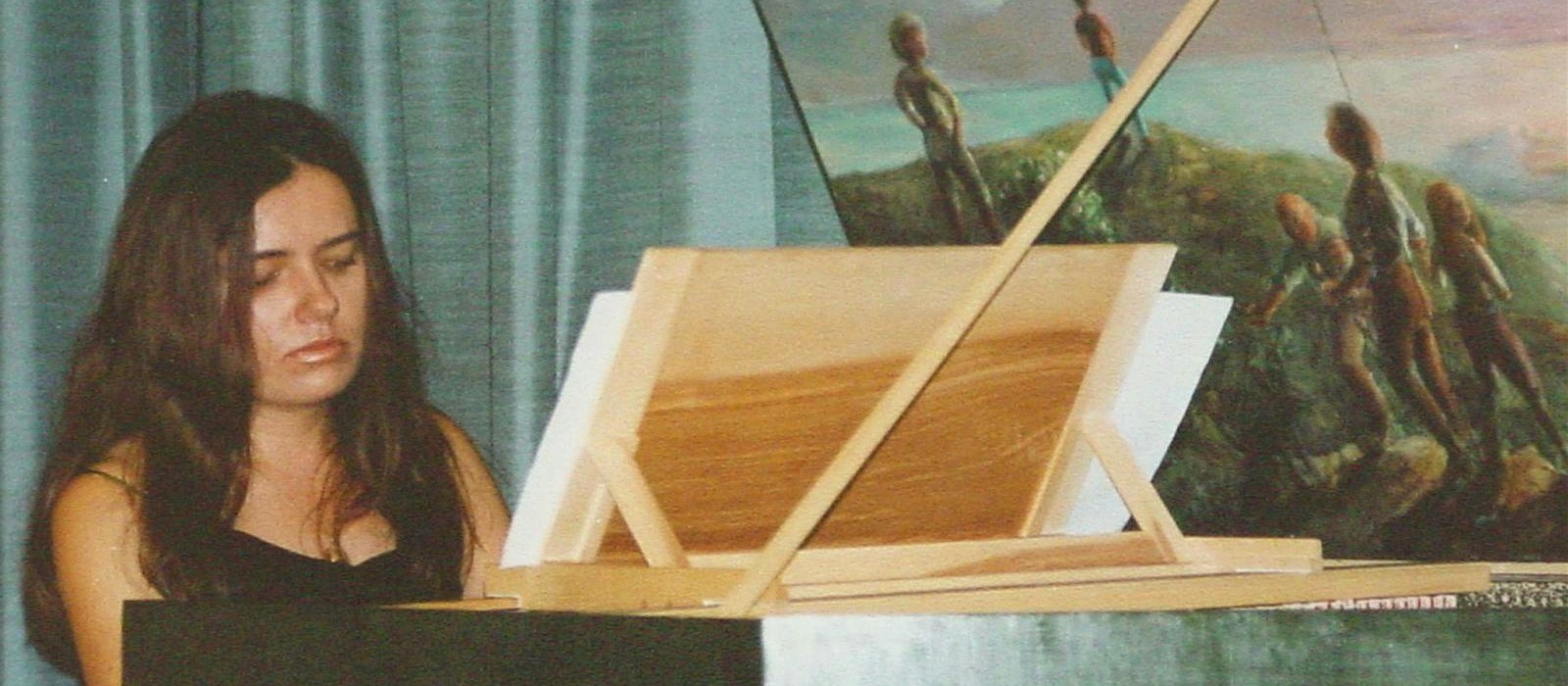
A concert is not the reproduction of a finished object. It is the moment when score, instrument, space and audience begin to breathe together.
Live performance
The score remains the same, but no concert is ever repeated exactly. The instrument, reverberation, temperature, ensemble layout and concentration of the audience all affect proportion and timing. In a chamber hall, a harpsichord can speak through the finest distinctions of articulation; in a large church interior, it calls for greater discipline of texture and careful handling of resonance.
Edyta Środa has performed as a soloist, chamber musician, continuo player and orchestral musician in Poland, Germany, Austria, the Netherlands, France, Portugal and Spain. Her repertoire spans music from the sixteenth to the eighteenth century: solo works, sonatas and suites, Baroque and Classical concertos, vocal-instrumental music and oratorios.
In recital she shapes the entire dramaturgy herself: the order of the works, contrasts of character, tension between movements and the silence after the final chord. It is not enough to play each work separately. A programme needs an architecture of its own, guiding the listener through the changing languages of periods, national schools and instruments.
Chamber music shifts the centre of gravity. One’s own conception must remain clear without preventing dialogue. A continuo player listens simultaneously to harmony, rhythm and the breathing of her partners; she establishes the foundation without obscuring the voice or solo instrument. In an orchestra, the harpsichord may be less visible than the violins, yet its pulse and harmonic direction help to hold the entire ensemble together.
Organ and church concerts create a different relationship with space. Sound lingers longer in the architecture, while the distance between performer and listener may be greater. Edyta has played the organ in liturgical work as well as in concert and orchestral events.
Historical projects add the spoken word, dance, costume and social convention. Their purpose is not to cover music with decoration, but to help the audience understand a world in which a particular dance form, gesture or instrument had a natural context. Such a concert becomes an encounter with the art and culture of a period — without pretending that contemporary listeners must leave their own sensibility at the door.
Many ways of being present on stage
Full responsibility for form, colour, rhetoric, registration and the dramaturgy of the entire programme. Instrument and acoustic become equal partners in interpretation.
Dialogue with the voice, Baroque violin, cello, oboe, flute and other instruments. A shared pulse does not mean relinquishing an individual voice.
Realising harmony in real time, responding to the soloist and building the ensemble’s foundation. An art of active presence whose value does not depend on occupying the foreground.
Working within a larger architecture: awareness of the score, the relationship with conductor, strings, choir and soloists, and proportions suited to the particular hall.
Church concerts, liturgical performances and orchestral programmes. An instrument bound to its architecture demands a particular awareness of time and resonance.
Educational and historical programmes combining performance with commentary, dance, costume and a presentation of the harpsichord. Knowledge should open the ear, not replace the music.
Film archive · 8 June 2019
A red harpsichord, historical costumes and the presence of the King create a frame for a musical encounter with the culture of the former Polish–Lithuanian Commonwealth. The title of this archival section is provisional; the event’s exact name, venue and full programme will be added from the poster or the organiser’s records.
The footage documents not only the performance, but also a way of creating contact with the audience. Edyta does not confine herself to playing the instrument. She leads listeners between sound and historical narrative, presenting the harpsichord as part of a living cultural world rather than an isolated museum exhibit.
SWR · Musikalischer Adventskalender · 2006
In this SWR television recording, Edyta Środa plays the harpsichord with La Banda Palatina under the direction of Egbert Lewark. The programme included G.F. Handel’s Angloise – Duetto – Gigue from the Concerto in D major, HWV Anh. B. The surviving film allows us to see and hear the harpsichord’s relationship with the other musicians rather than merely read about a past performance.
Below is a selected excerpt from the technically restored recording. The historical source remains unchanged; the online copy is lighter and prepared for viewing on the website.
La Banda Palatina, Egbert Lewark and Edyta Środa at the harpsichord.
Film archive
Two harpsichords, a solo performance, organ and virginal. These are short excerpts from surviving recordings; some details of repertoire and venue still need to be established from the concert documents.
The camera follows the performer’s gesture and the movement of her hands at the instrument.
A different instrument, a different space and a different way of shaping the phrase.
A close view of the instrument and its distinctive keyboard.
More films can be found in the Media archive, with selected audio recordings on the Music page.
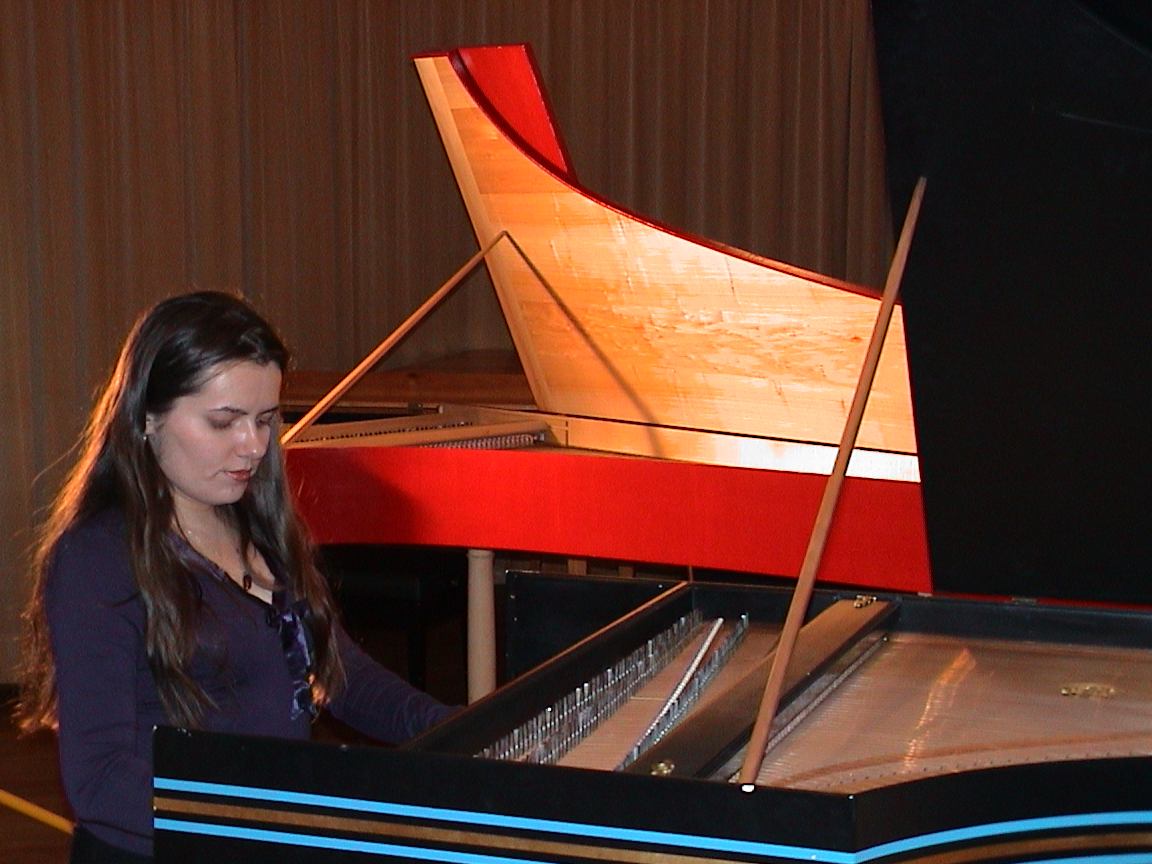
In ensembles and orchestras
Edyta has worked with numerous orchestras, choirs and early-music ensembles. They include the Schleswig-Holstein Orchester, Vocalensemble Rastatt, Consortium Jagiellonicum, Forum Sinfonia, the orchestra of the Internationale Händel-Akademie Karlsruhe, Camerata Bonn, Ensemble für Alte Musik Karlsruhe, La Banda Palatina, Con Voce Festiva Ensemble and Kurpfälzisches Kammerorchester Mannheim.
Each formation called for a different way of working. In a chamber ensemble, decisions arise through direct exchange between musicians. In an orchestra, the player must remain audible within a larger body of sound and maintain constant contact with the conductor. In a choral-orchestral work, the harpsichordist supports harmony, text and rhythm while retaining an aural sense of the long form.
This experience is complemented by specialist studies in harpsichord chamber music and by continuo practice developed in Karlsruhe and at international academies. It is not an adjunct to solo specialisation, but a distinct and demanding field of performance. Discover the ensembles and artists with whom Edyta has worked →
Selected traces from an extensive archive
Edyta’s archive contains programmes, invitations, photographs, notes, reviews and recordings. The chronology below is not a complete list of events. It is a first map that will be expanded gradually without removing earlier material.
Surviving materials document an open harpsichord examination and an early-music ensemble examination on 2 February 1998, as well as Edyta’s recital in Kraków on 21 December 2000. It was a period of intensive work in Professor Elżbieta Stefańska’s class, preceding her harpsichord diploma with distinction.
Programmes and invitations from June 2001 present Edyta not only as a soloist, but as an artist shaping an evening together with invited musicians. At the same time, she developed her orchestral practice at the Internationale Händel-Akademie Karlsruhe.
A surviving programme documents La Fiamma’s concert at the Stiftskirche in Bretten on 24 October 2002. Edyta was the ensemble’s harpsichordist and one of the leaders of this international formation associated with the Hochschule für Musik Karlsruhe. The archive also includes the programme for a “Barock-Abend” held that December. More about La Fiamma →
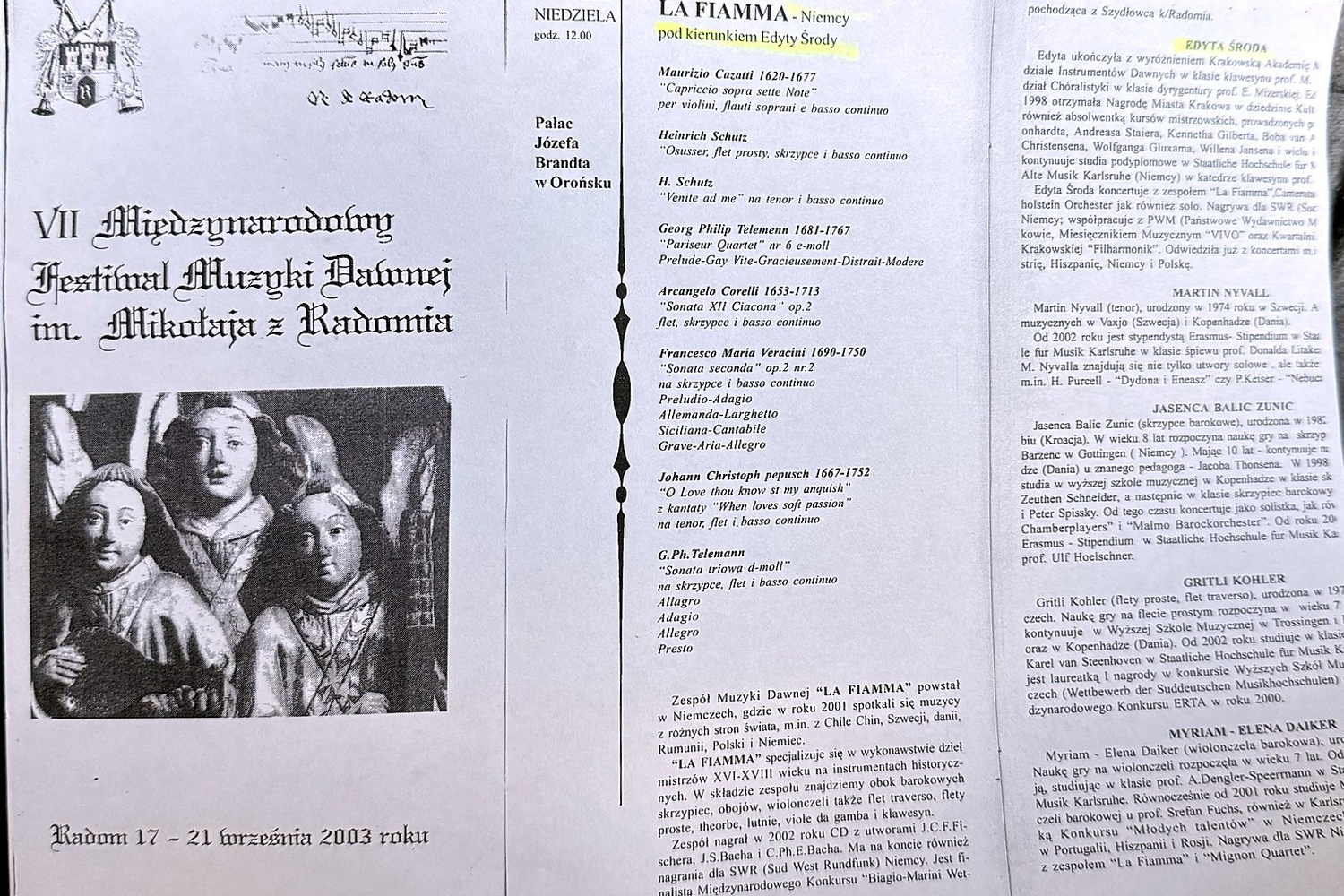
In May, La Fiamma reached the final of the Biagio-Marini-Wettbewerb. The ensemble also performed at the International Early Music Festival in Radom. Programmes from Bad Wildbad, the Bruchsaler Barocktage, the “Spektrum des Barock” series and chamber concerts reveal both the intensity of this period and the diversity of performing forces involved.
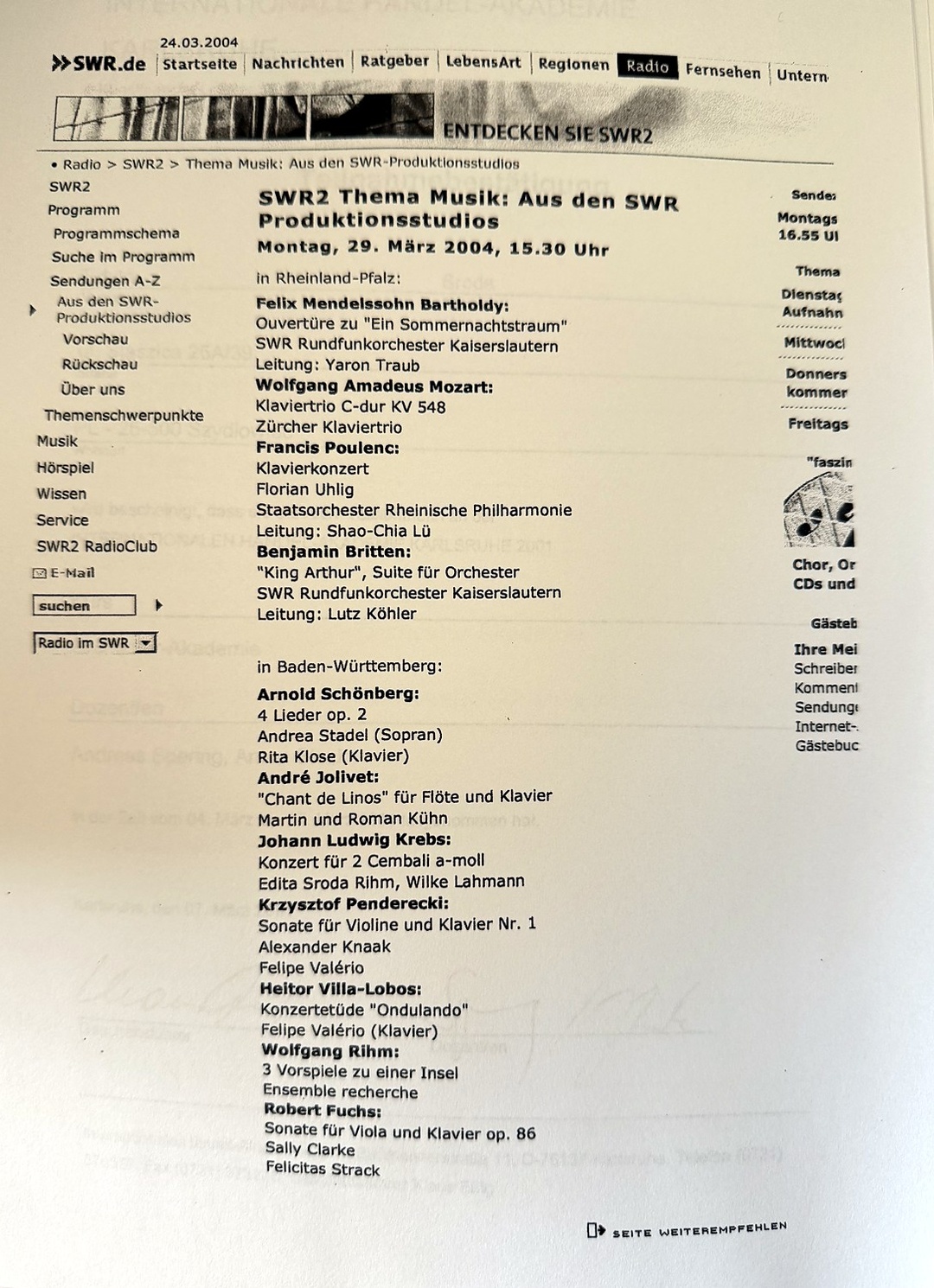
On 29 March, SWR2’s broadcast “Thema Musik: Aus den SWR-Produktionsstudios” featured Johann Ludwig Krebs’s Concerto in A minor for two harpsichords, performed by Edyta Środa and Wilke Lahmann. A recording with the Kurpfälzisches Kammerorchester Mannheim followed in December. The surviving SWR2 broadcast programme preserves the radio context of the performance.
The archive contains programmes from numerous events at Schloss Gottesaue and other Karlsruhe venues: “Bach entdecken”, chamber recitals, harpsichord concerts and presentations of eighteenth-century music. On 30 August, Edyta performed at the opening of the “Illustre Gäste” exhibition at the Badische Landesbibliothek. On 27 November, she took part in a recording of Antonio Vivaldi’s “Gloria” in D major and Joseph Haydn’s “Nelson Mass” in D minor at the Augustinerkirche in Landau.
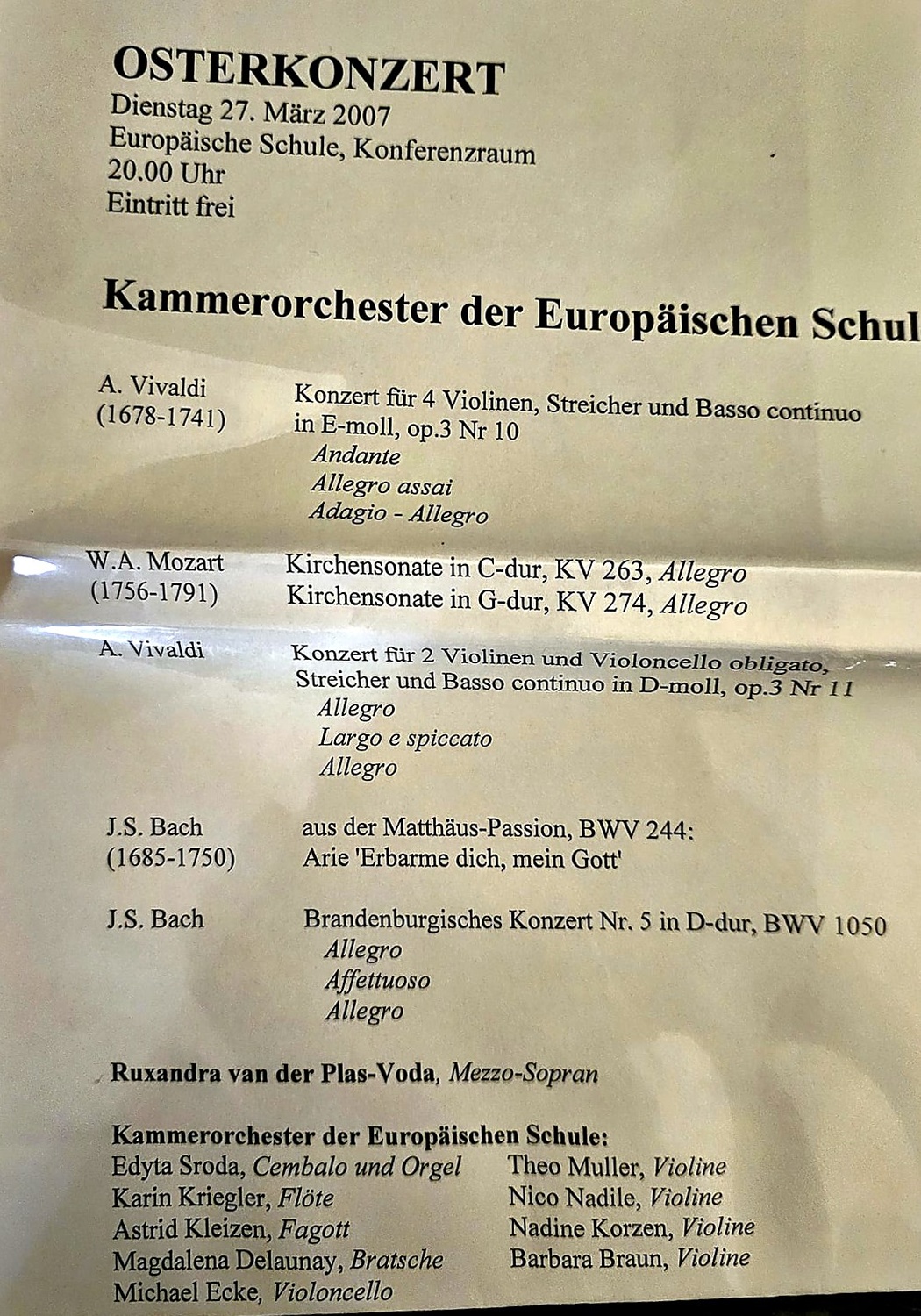
In 2006 Edyta took part in an Advent concert with La Banda Palatina, recorded by SWR. The archive also contains information about performances in Paris churches and other concerts in Germany. On 27 March 2007, she played harpsichord and organ in the Osterkonzert of the Europäische Schule Karlsruhe chamber orchestra, in a programme including Vivaldi, Mozart and J.S. Bach’s Brandenburg Concerto No. 5. The concert programme survives. In November she performed with Collegium Bismarckianum at the Markuskirche, and at Christmas she played the organ in the churches of St. Bonifatius and St. Peter und Paul in Karlsruhe.
La Fiamma Dance, a collaboration with the Corona Florum ensemble and the BALBASTRE studio created a setting for events combining recital, court dance, choreography, historical costume and stories of social custom. In 2019 Edyta performed at the 10th Warsaw Archival Picnic in the Staszic Palace, with court dancers taking part.
The contemporary chapter includes the work of Wytalentowani MFM and Grupa Wokalno-Aktorska RETRO. Edyta is responsible for repertoire development, arrangements, accompaniment, vocal training, rehearsals and directing performances. New films and photographs will be added to this history alongside the archival material.
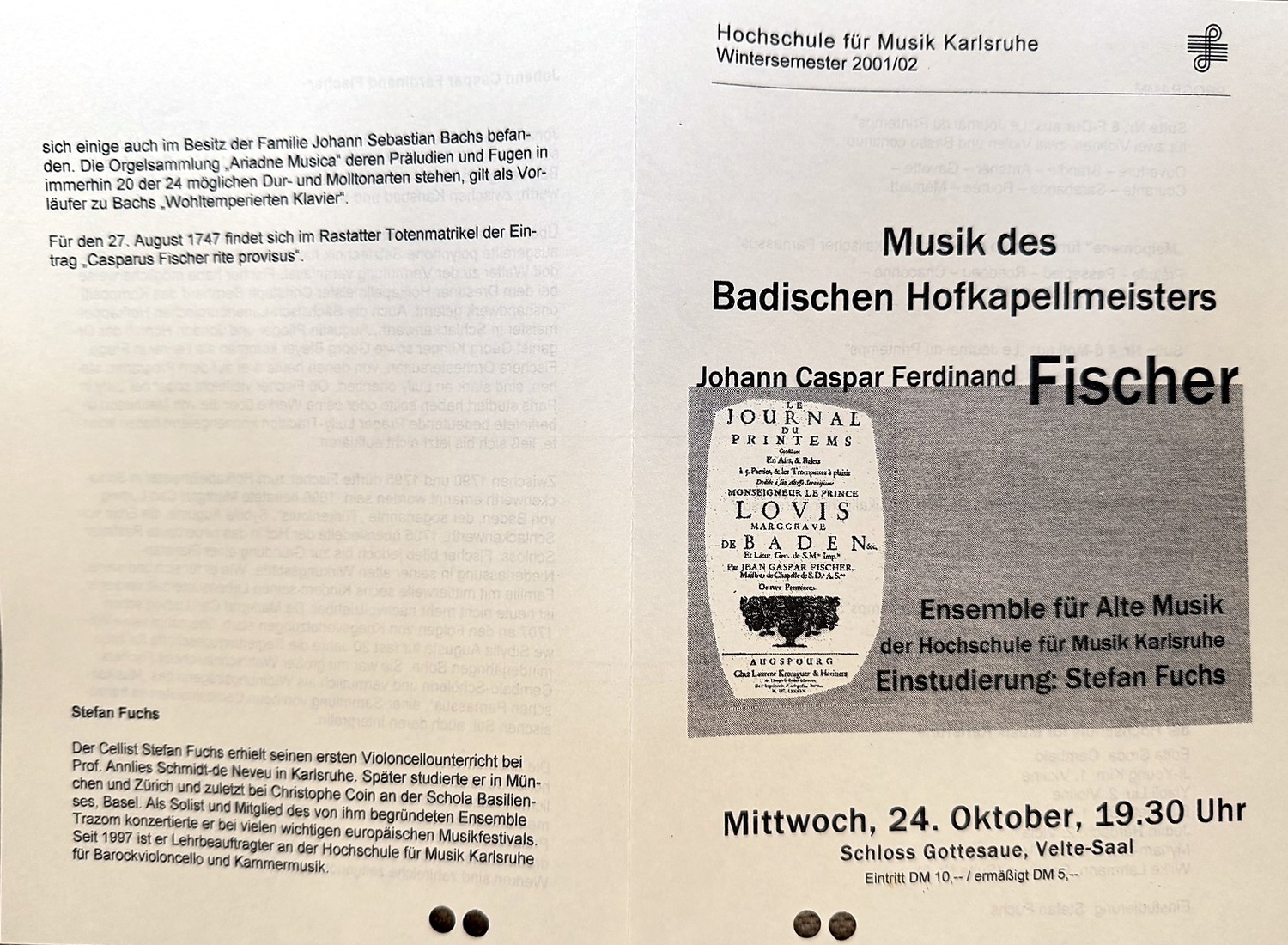
Surviving programmes
The Bretten programme, the Radom festival, an SWR2 schedule and a school-orchestra concert in Karlsruhe complement the film excerpts. Select a thumbnail to open the prepared copy of the document in a new tab; the originals remain in Edyta’s archive.
Before the first note sounds
With the harpsichord, preparation does not end with bringing the score and taking one’s place at the instrument. Every instrument has its own key resistance, plucking point, decay and balance between registers. The first encounter is an exploration: how does it respond to articulation, in which register does it retain clarity, and how does its colour combine with the hall’s acoustic?
The condition of the action and tuning matters. Jacks, plectra, dampers and strings must work reliably, while the instrument responds to temperature and humidity. The choice of tuning and temperament should suit both the repertoire and the other instruments. In a large orchestral project, preparation also requires agreement on pitch, the placement of the harpsichord and sightlines to the conductor.
The next level concerns the score. A soloist plans the dramaturgy of an entire recital, a continuo player prepares possible harmonic realisations, and a chamber musician identifies the moments in which she should lead, answer or yield. Final decisions emerge in rehearsal, when notation meets a particular voice, bow, breath and space.
In a project involving commentary or historical elements, the rhythm of the whole event must also be considered. One has to decide when spoken words prepare the act of listening, how much time a change of setting requires, how to move from explaining the mechanism to performing a work, and at what point the appearance of a character or dance strengthens the dramaturgy rather than distracting from it.
Concentration before a performance is therefore not about cutting oneself off from every circumstance, but about bringing those circumstances into order. Instrument, score, costume, lighting, order of entrances and communication with fellow performers must cease to demand attention as technical questions. Only then can the performer direct her full attention towards the music.
After the concert, the memory of the moment remains — and sometimes a recording does too. A microphone hears differently from a person in the hall: it sharpens mechanical detail, alters the balance between instruments and cannot convey all the energy of shared presence. Archival material is therefore an invaluable witness, but it does not replace the concert. It offers one point of view — important enough to preserve and describe.
Stage, instrument, space
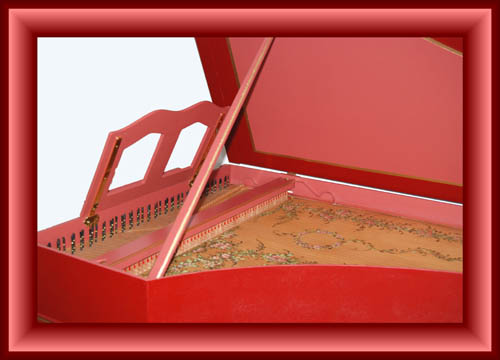
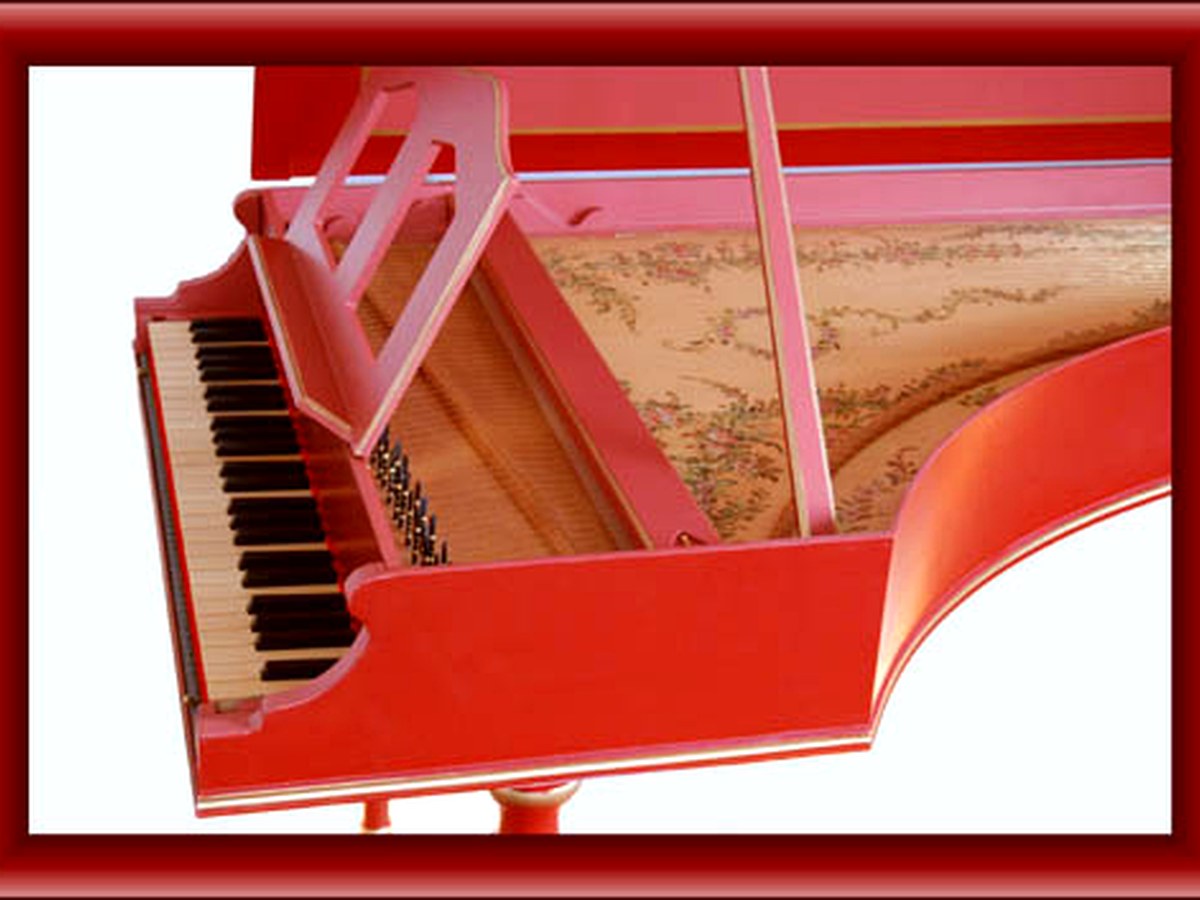
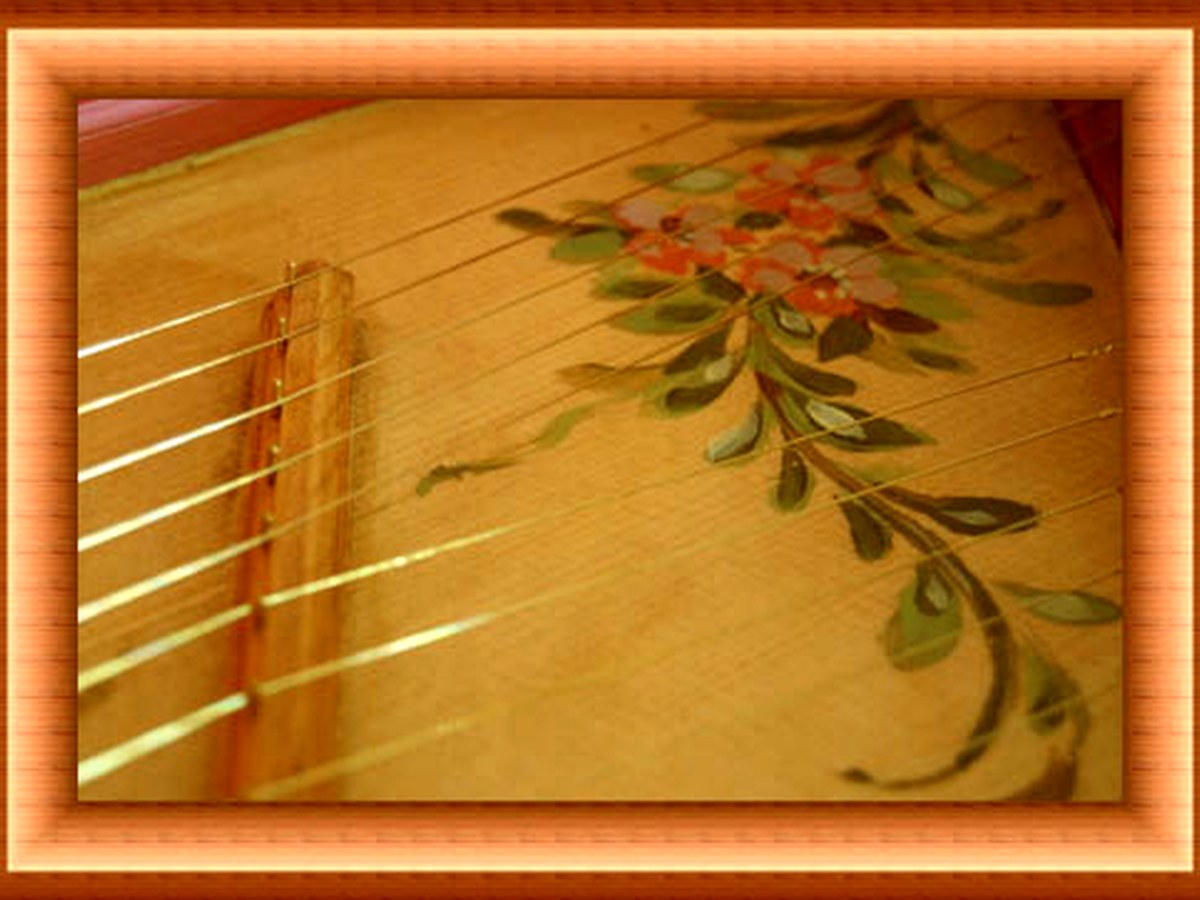
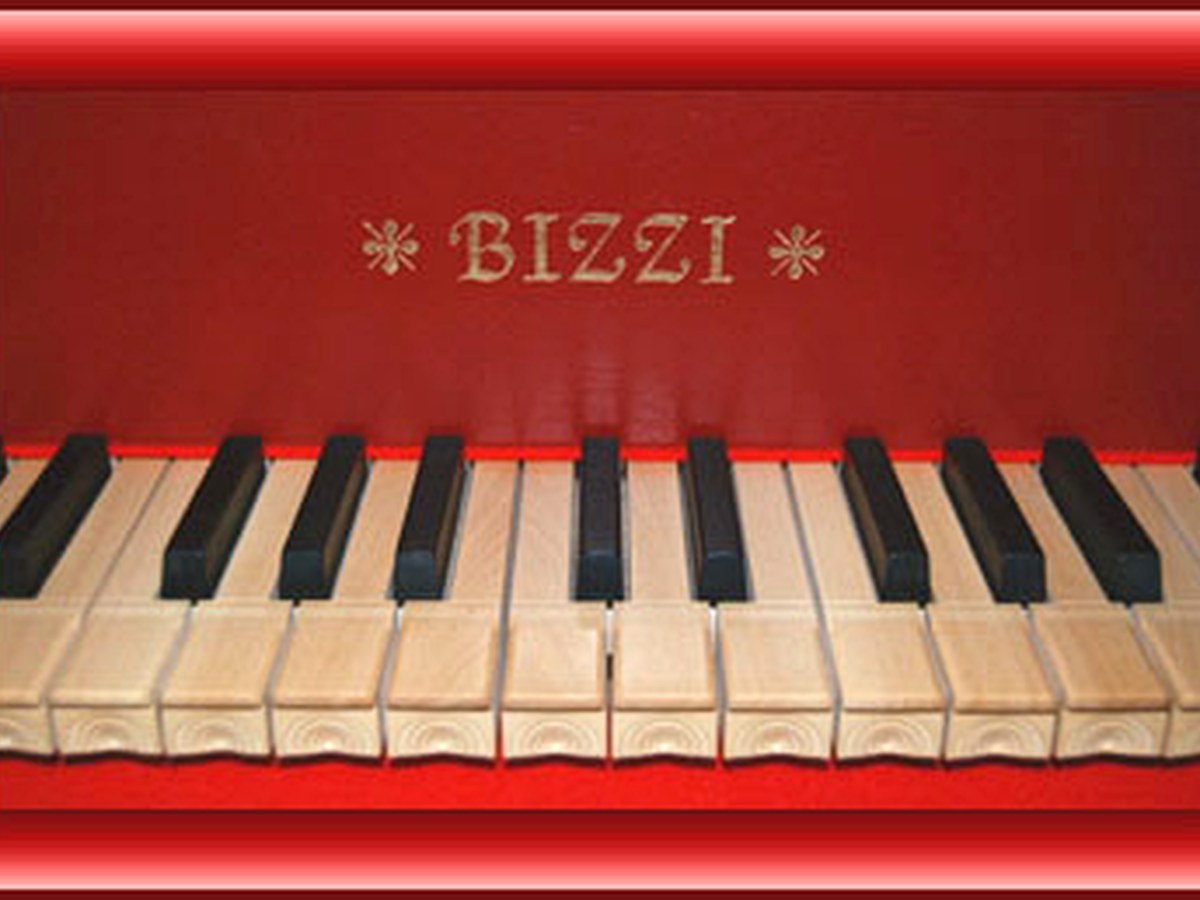
Programme and dramaturgy
A programme should not be a chance collection of well-prepared works. Their order changes the way they are heard. After an expansive fugue, a short dance movement may sound like a release of energy; after the luminous register of an Italian harpsichord, the darker colour of another instrument opens a new space.
In a monographic concert, the challenge is to reveal the internal variety of one composer’s language. In a wide-ranging programme, relationships must be found between schools, periods and genres. Contrast is essential, but it must not destroy continuity. The audience should sense a new chapter while also understanding why the next work appears at that particular moment.
A historical venue can become part of the dramaturgy. A museum, library, castle or church carries its own memory and rhythm. Edyta has performed at venues including the Badisches Landesmuseum and Badische Landesbibliothek in Karlsruhe, Schloss Gottesaue, churches, festivals and exhibition events.
When a concert includes commentary, the spoken word should be precise and give the music precedence. The best narrative does not explain everything to the listener. It directs attention towards one chosen detail — the character of a dance, the harpsichord’s mechanism, a rhetorical gesture or the relationship between a work and the customs of its period — and then allows that detail to be heard.
The same responsibility applies to an ensemble concert. Key, tessitura, order of items, transitions and the length of the whole programme must take account of the performers’ stamina. A well-planned stage sequence keeps voices fresh and concentration alive, allowing the finale to become a logical culmination rather than merely the last item on a list.
Continue exploring
Film preserves gesture and the energy of shared time. A programme reconstructs repertoire and performers, a review records reception, and a photograph preserves instrument and place. Together, these traces tell Edyta’s story more fully than any single list of dates.
Next