ESKAdO children’s choir
Conducting the ensemble in the multilingual environment of the Europäische Schule Karlsruhe, preparing repertoire, accompaniments and arrangements, and working on the choir’s recordings.
2006–2026 · 20 years online
Twenty years of music, encounters and artistic history. Edyta Środa’s website has been online since 2006 and is now entering a new chapter.
Harpsichordist · Pianist · Conductor · Organist · Music Educator
Conducting
From reading a score, choosing repertoire and preparing arrangements to breath, phrase, diction and a shared responsibility for sound. For Edyta Środa, conducting means building music together with people.
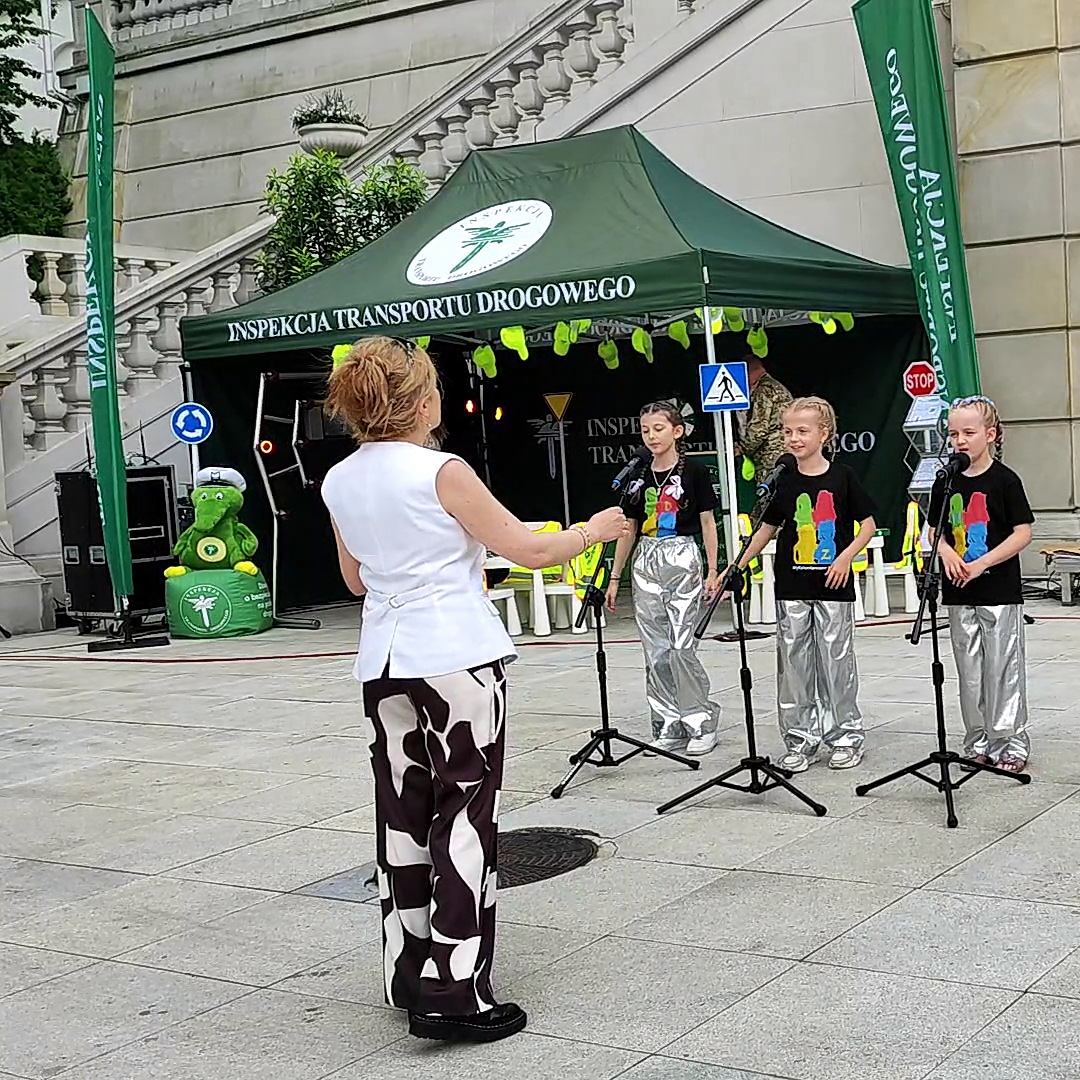
Gesture and listening
The audience sees the movement of the hands, entries and endings. For performers, however, gesture carries a much wider meaning. It should convey tempo, character, weight, the direction of a phrase, the quality of articulation and the energy needed at a given moment. Its clarity does not depend on the size of the movement, but on whether it answers a genuine need in the music.
Before the first rehearsal, the score must be understood: its form, harmonic course, relationship between voices, text, breathing points and dramatic turning points. Only then can one decide which information must be present in the gesture, what should be established beforehand in words, and where the performers’ independence should be trusted.
Edyta completed a master’s degree programme at the Academy of Music in Kraków in music education and the conducting of vocal and vocal-instrumental ensembles. Conducting was therefore one of the foundations of her professional education from the outset, later developed through her work with choirs, ensembles and concert projects.
In her practice, gesture grows out of an instrumentalist’s ear. A pianist understands the physical need to prepare a long phrase and differentiate weight. A harpsichordist understands the role of articulation and time in shaping expression. A continuo player listens to the whole from within the ensemble, responding to the soloist’s breath and to the harmony.
This experience changes the way a rehearsal is conducted. An intonation problem may arise from inadequate breath support, but also from harmony that is not clearly heard. A rhythmic difficulty may result from the absence of a shared direction in the phrase rather than from counting alone. Conducting therefore requires diagnosis: finding the cause and then choosing the means that will help the performers remove it.
An ensemble should not remain dependent on a continuous stream of instructions. The aim is gradually to build a shared way of hearing and a shared sense of responsibility. The best result emerges when the musicians understand the form and intention, while the conductor’s gesture focuses their attention instead of replacing their musical decisions.
The gesture is visible. The work that gives it meaning, however, begins much earlier.
From score to stage
Edyta’s conducting combines interpretation, vocal craft, arranging and the practical preparation of performers. Every stage serves the same purpose: enabling the ensemble to understand not only what to perform, but why the music should sound this way.
Choosing repertoire, analysing form, text and dramaturgy, and establishing the stylistic language of the performance.
Arrangements, division of parts, accompaniments and solutions adapted to the ensemble and the performers’ abilities.
Intonation, rhythm, vocal technique, diction, breathing, phrasing and work on the ensemble’s shared pulse.
Clear gesture, focused energy, contact with the performers and command of the form throughout the concert.
Rehearsal
A rehearsal is where a concept meets the reality of an ensemble. A score may suggest ideal proportions, but the performers bring particular voices, breathing capacities, experience and pace of work. The conductor must preserve the artistic aim while finding a route towards it within the available conditions.
The work begins by establishing a shared pulse and manner of breathing. In a vocal ensemble, the text shapes rhythm, accent and articulation. Good diction is not a matter of pronouncing every consonant with equal force. It must support the meaning of the words, avoid breaking the legato and remain consistent throughout the group.
Vocal technique is not a separate exercise detached from the repertoire. The formation of a vowel, the placing of a breath or the use of resonance must be related to a particular phrase. When a performer understands the intended sound and the reason behind it, a technical instruction becomes part of the interpretation.
Using rehearsal time intelligently is equally important. Not every passage needs the same number of repetitions. Edyta isolates the problem, works on it within a shorter passage or section of the ensemble, and then restores it to the complete form. The group therefore does not waste energy repeatedly beginning from the start when much of the material is already secure.
Arranging can become part of the rehearsal process itself. If a particular disposition of voices does not suit the performers’ tessitura or obscures the text, it should be revised. Simplification need not mean lowering artistic standards. It can be a conscious decision that preserves the character of the work and allows the ensemble to sound assured and dignified.
The final stage is to build continuity across the concert. Pieces do not exist in isolation: they need sequence, contrast, time for a change of mood and, at times, spoken commentary. The conductor then assumes responsibility not only for each performance, but for the dramaturgy of the entire encounter with the audience.
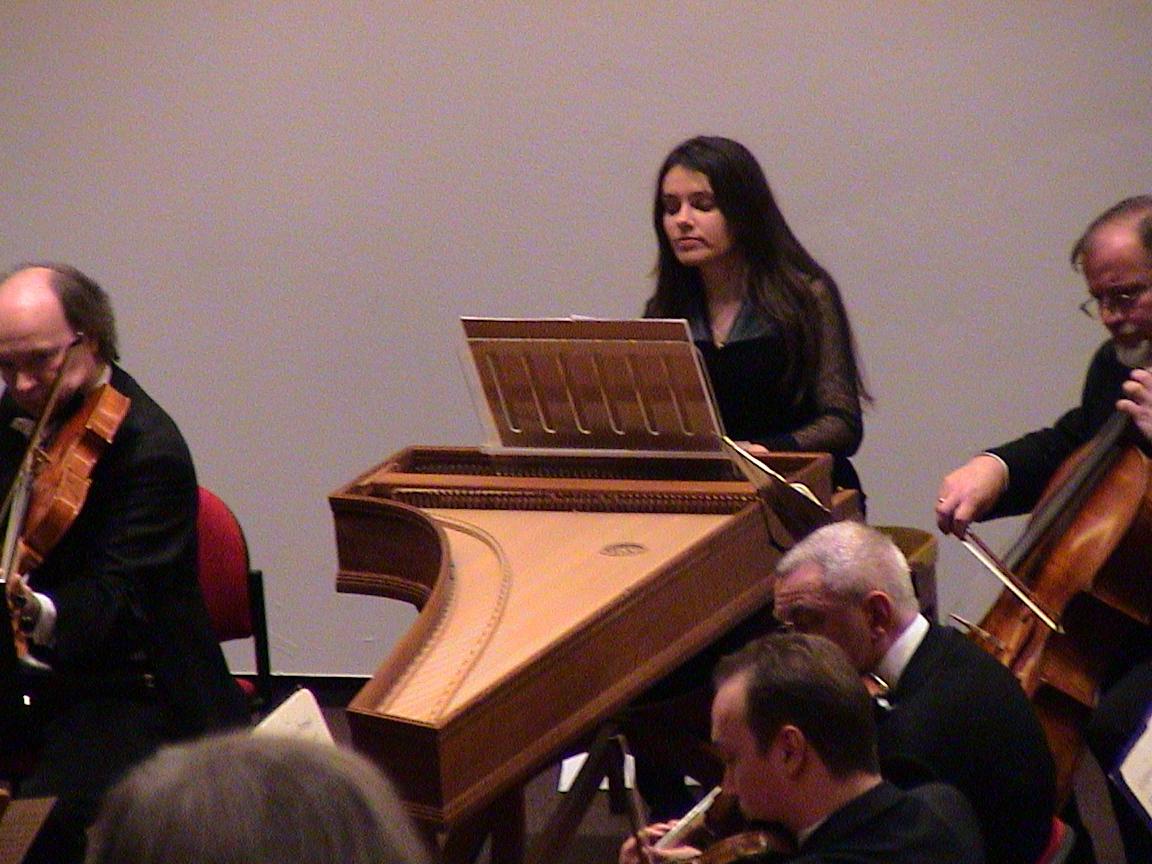
Education and an instrumentalist’s ear
Edyta completed a master’s degree programme at the Academy of Music in Kraków in music education and the conducting of vocal and vocal-instrumental ensembles. Her parallel development as a pianist and harpsichordist allows her to work with a score not only conceptually, but also from the perspective of practical performance.
Her experience as an accompanist, répétiteur, continuo player and arranger enables her to test solutions immediately during a rehearsal — at the piano, harpsichord or an electronic keyboard. She can play a score reduction, give a vocal line, transpose, revise the layout of an accompaniment and assess at once how a decision affects the singers’ comfort.
Her knowledge of early music brings to her conducting a particular sensitivity to rhetoric, articulation and the relationship between text and harmony. Her pianistic practice, in turn, supports the shaping of broad phrases and differentiated layers of sound. These are not competing traditions, but resources chosen according to the repertoire and ensemble.
Reading a score from the keyboard helps to identify passages where a performance problem arises not in a single part, but in the whole construction: a change of harmonic function, greater textural density, awkward voice-leading or an unclear relationship between text and pulse. The conductor can then identify the cause precisely instead of interrupting the rehearsal with a general remark.
During rehearsal, the instrument becomes a practical means of communication. A briefly played motif can compare articulation, the direction of a phrase or the character of an accent; a chord can establish intonation, while a score reduction reveals tensions that cannot be heard in isolated parts. Demonstration does not replace the conductor’s gesture, but it allows the ensemble to hear and test the intention immediately.
This combination of conducting and instrumental perspectives also supports intelligent rehearsal planning. Edyta can separate technical difficulties from interpretative ones and decide whether the ensemble needs sectional work, a different disposition of voices, a revised accompaniment or simply more time to establish a shared breath. Each repetition can then lead towards a specific musical result instead of becoming a mechanical replay of the same passage.
Arranging and accompaniment
In many projects, Edyta does not receive finished material tailored to a particular ensemble. She prepares arrangements, writes out parts, develops accompaniments and organises the form. Every such decision requires knowledge of the performers’ abilities as well as stylistic judgement. A passage cannot be made easier in a way that deprives the work of its character.
Tessitura is crucial for a vocal ensemble. A note that is theoretically available does not always lie within the range where a voice sounds free and retains clear diction. Key, division of parts and textural density should support the performers throughout the piece, not merely at its single highest or lowest point.
An accompaniment must lead and listen. In rehearsal it may state the pulse and harmony more clearly; in performance it should leave room for the text and natural breath. A piano or harpsichord part is not a background, but an active partner that helps sustain the form and responds to the ensemble.
The sources of difficulty and pace of learning differ between a children’s choir, an amateur ensemble and a senior group. What does not change is the obligation to prepare the material with respect for both music and people. Clear notation, logical breathing points and a judiciously graded level of difficulty allow the rehearsal to focus on interpretation.
Edyta also combines these skills in studio work. When preparing a song or material for recording, she considers not only the live performance but also the later edit, balance of musical layers and overall sound. The arrangement must retain its meaning when a microphone reveals details that blend naturally in a hall.
Conducting understood in this way encompasses far more than directing a concert. It is a responsibility for the entire journey of a piece: from choosing and preparing the material, through rehearsal, to the moment when the performers can communicate a shared story to the audience.
Ensembles and projects
Conducting the ensemble in the multilingual environment of the Europäische Schule Karlsruhe, preparing repertoire, accompaniments and arrangements, and working on the choir’s recordings.
Conducting, vocal training, arrangements, accompaniment and preparation of children, young people and adults for concerts, recordings and stage appearances.
Complete musical direction of a senior ensemble: repertoire, arrangements, rehearsals, vocal technique, conducting, accompaniment and performance preparation.
Co-creating and co-directing an international early-music ensemble — from harpsichord and basso continuo to the shared shaping of interpretation.
Edyta’s long-standing work with ESKAdO at the Europäische Schule Karlsruhe took place in an international, multilingual environment. She conducted the choir, prepared accompaniments, composed and arranged settings, and was responsible for the musical preparation of its repertoire. The ensemble’s two CDs show that this daily educational work led to a lasting artistic result.
Wytalentowane MFM combines singing tuition, vocal training, arranging, accompaniment, concerts and recordings. Edyta fulfils several roles within the project, allowing decisions made during rehearsals to remain consistent with the arrangements and subsequent studio work.
Grupa Wokalno-Aktorska RETRO calls for a different scale of work again. The repertoire must take account of the voices, memory and stamina of a senior ensemble without losing dramaturgy or artistic taste. Edyta is responsible for choosing the works, preparing arrangements and accompaniments, developing the voices, and conducting rehearsals and performances.
In La Fiamma, conducting experience met a chamber model of collaboration. Edyta was the harpsichordist and one of the musicians directing this international early-music ensemble. In such a group, leadership does not always take the form of a conductor standing in front of the players. It is often expressed through preparing the artistic concept, organising rehearsals and shaping a shared interpretation from the harpsichord.
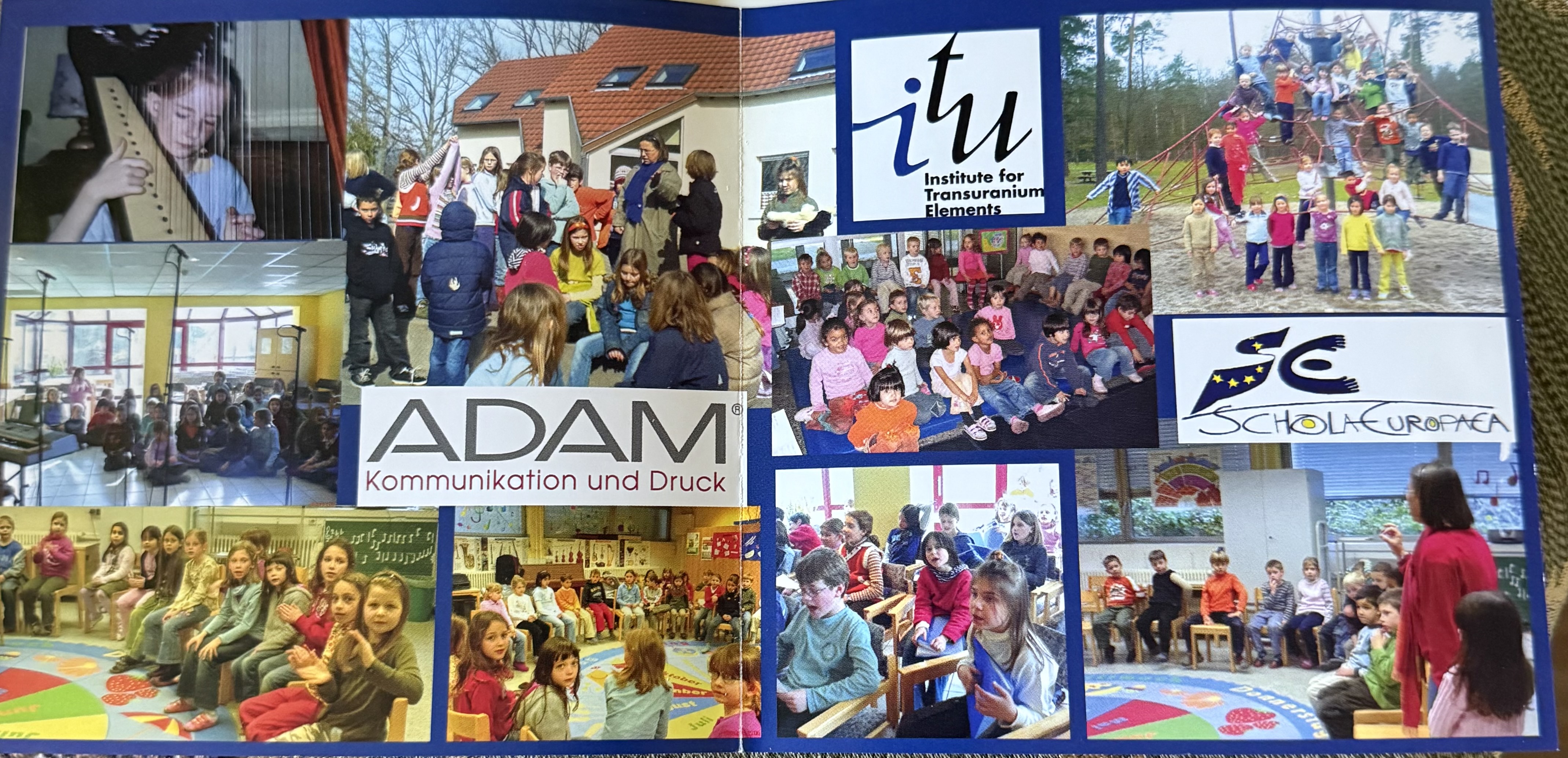
An archive that remains alive
Work with the children’s choir encompassed far more than preparing a succession of pieces. It developed listening, musical memory, responsibility towards the group and the courage needed to perform together.
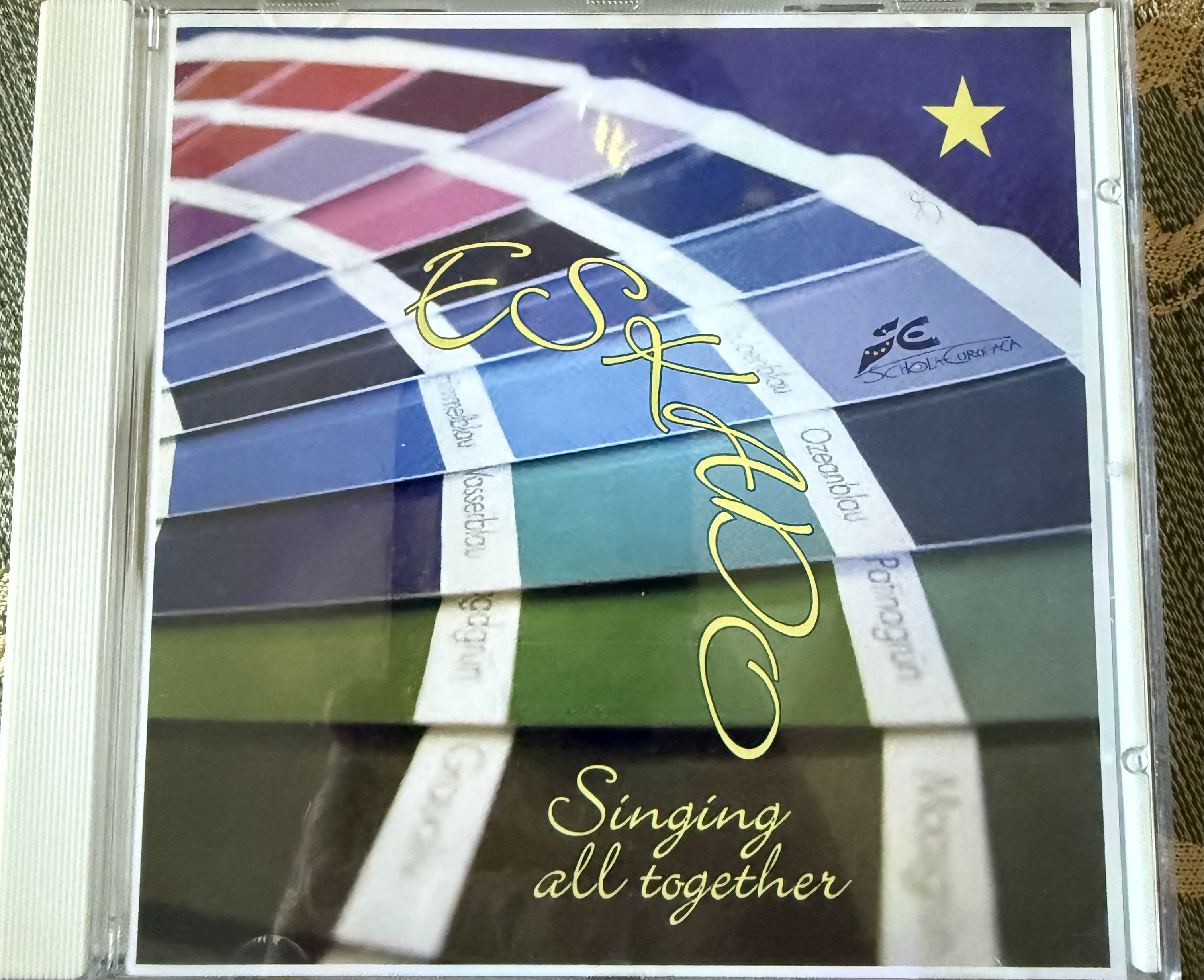
The choir’s two CDs — “Singen macht Spass” and “Singing All Together” — remain a tangible record of this long-term project.
Different generations of performers
Children learn through movement, imagery, repetition and the direct experience of making a shared sound. Adults more often need to understand the structure and the relationship between a technical instruction and its musical purpose. Senior performers bring memories of repertoire, maturity in approaching a text and tremendous motivation, but require intelligent planning of breath, pace of learning and rehearsal length.
Edyta does not treat these differences as a hierarchy of value. Every ensemble deserves imaginatively prepared repertoire and rehearsals with a clear destination. Realism means recognising abilities accurately; it does not mean accepting a colourless performance.
The conductor is also responsible for the working atmosphere. An ensemble must have the courage to make a mistake so that it can be corrected, while remaining aware of a shared deadline and aim. Kindness does not preclude precision. The most creative rehearsal combines the security needed for learning with the concentration appropriate to professional preparation.
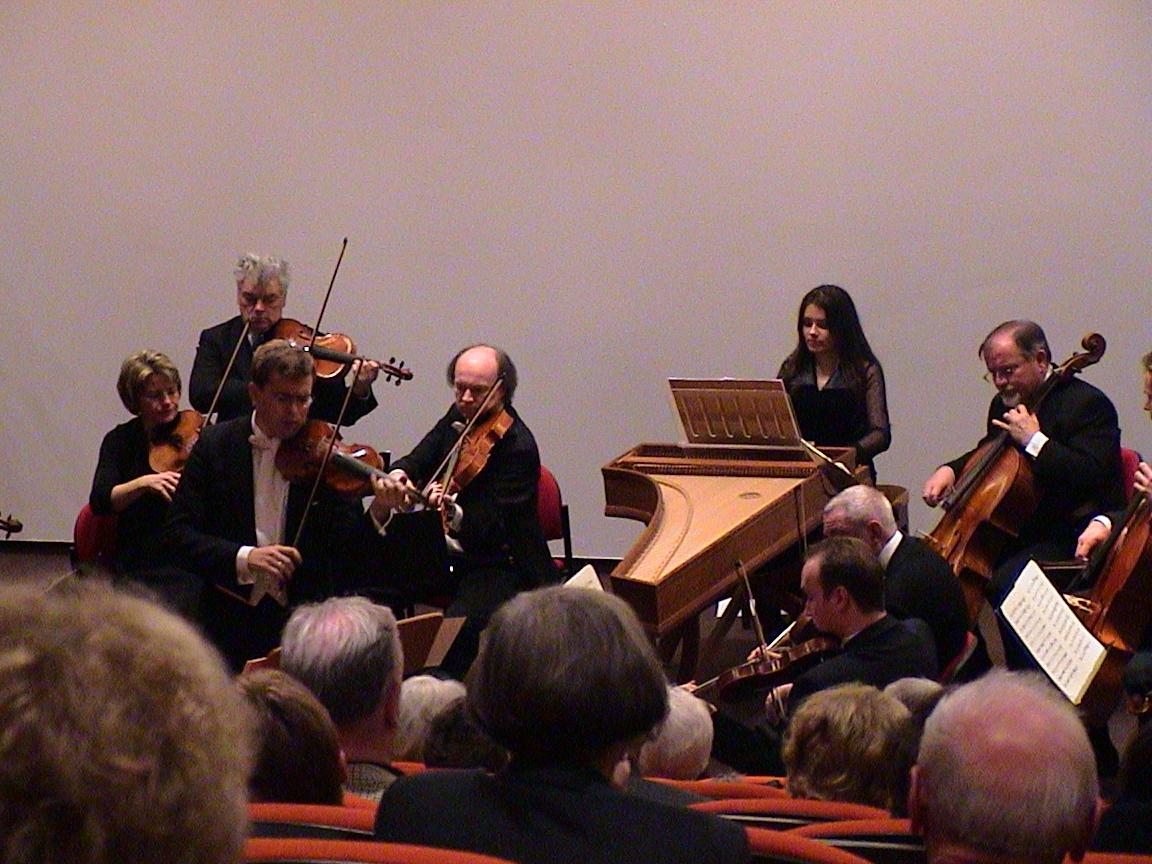
Images of work and history
Continuity
From the children’s choir in Karlsruhe to contemporary ensembles in Warsaw and Szydłowiec, the performers and repertoire change, while attentiveness to people, text and musical truth remains.
A growing section
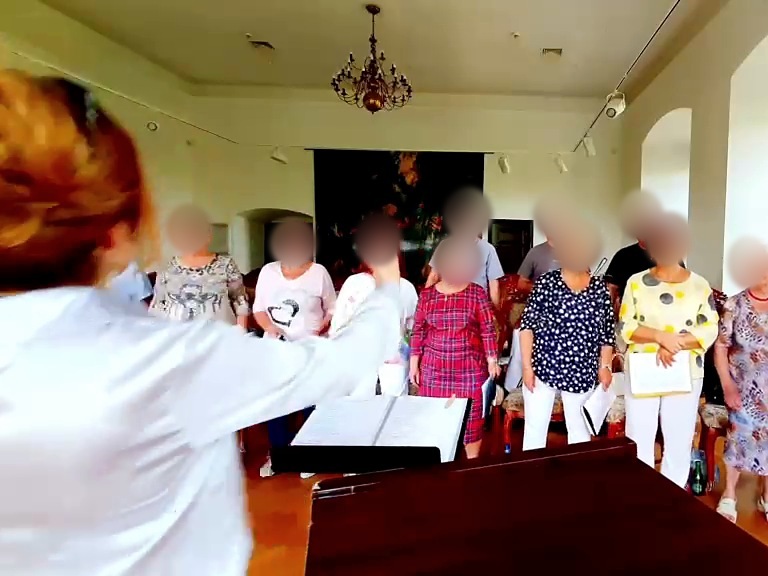
Further conducting photographs, concert recordings, programmes and rehearsal materials will join this part of the website. The present images show Edyta’s gesture at work with performers of different generations; future materials will continue the history of earlier ensembles while documenting the development of her contemporary projects.
Next