Music
An archive of sound, interpretation and musical memory
A recording preserves only one moment of a performance, yet it allows us to return to its phrasing, articulation, tempo and colour. This section brings together harpsichord, piano, organ, chamber and ensemble music — earlier and more recent materials, without severing one chapter of Edyta’s artistic history from the next.
Every recording carries its own performance situation: a particular instrument, acoustic, group of musical partners and stage in the work’s development. The archive is therefore more than a collection of files. It is a story of interpretative decisions — of changing balances between voices, the pacing of a musical narrative, articulation and the shaping of tension.
Alongside solo recordings are experiences of chamber music, basso continuo, accompaniment and ensemble performance. Heard together, they reveal the continuity of Edyta’s musical ear: from independently shaping a complete form to responding attentively to the breath, gesture and sound of other performers.
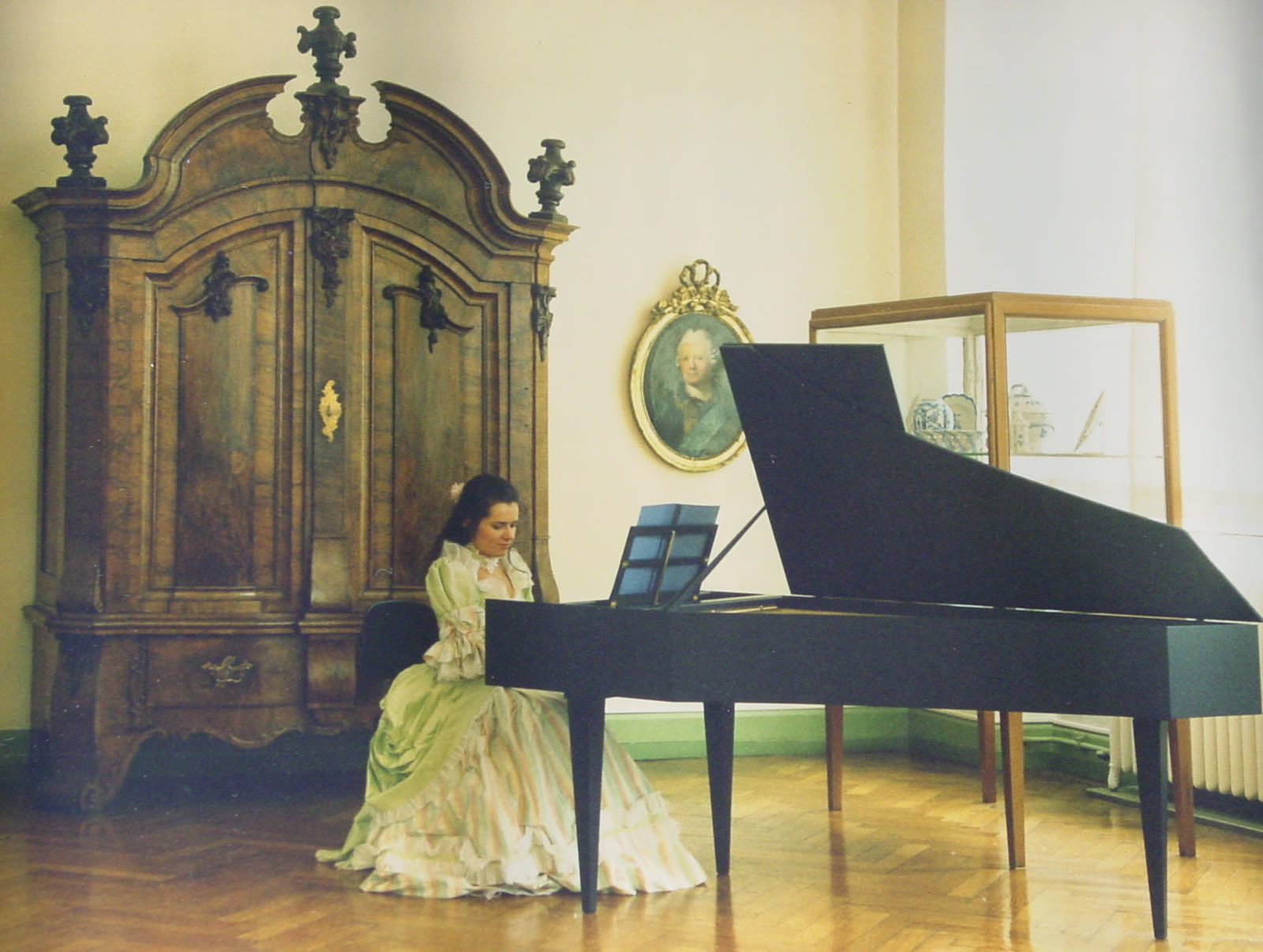
Early music is not a motionless relic. It comes to life only when knowledge of style meets imagination, breath and the performer’s decision.
Interpretation
Between the source and living performance
In early music, the score is the beginning rather than the end of the work. Notation leads towards structure, harmony, rhetoric and the character of a dance, but it does not provide every answer. The performer must discern the hierarchy of voices, the weight of a dissonance, the direction of a phrase, the place of an ornament and the time harmony needs if it is truly to resonate.
Edyta’s experience embraces repertoire from the sixteenth to the eighteenth century, performed as a soloist, in chamber groups, early-music ensembles and orchestras. Each situation changes the musician’s role. The soloist shapes the complete dramaturgy of a work; the chamber musician enters into dialogue; the continuo player sustains harmony and pulse while responding to the voice, bow and conductor’s gesture.
Historical awareness does not mean mechanically repeating a set of rules. Style becomes convincing only when each decision is logical within the particular work and on the particular instrument. An Italian harpsichord speaks differently from a French or German instrument, while the piano and organ speak differently again.
The recordings bring this variety into close focus. A microphone reveals the detail of attack, the length of decay and fine differences of articulation that are heard differently in a large hall. It does not replace a concert, but creates a document of its own: preserving one interpretation and allowing its internal construction to be followed.
The archive is therefore not limited to a few promotional samples. It is intended to tell a broader story through successive works, collections, concert recordings and studio sessions. Earlier material remains as important as the new because it documents the development of a performance language, encounters with instruments and changing artistic contexts.
The present arrangement is the first ordered layer of a substantial collection. Titles, composers, performing forces, venues and dates will be added during a joint review with Edyta. Even now, however, every recording has a stable place of its own and a working player.
Audio archive
Five sets · 54 musically selected excerpts
The website presents carefully selected musical excerpts, not complete performances.
Set I
27 recordings
Set II
3 recordings
Set III
18 recordings
Set IV
3 recordings
Set V
3 recordings
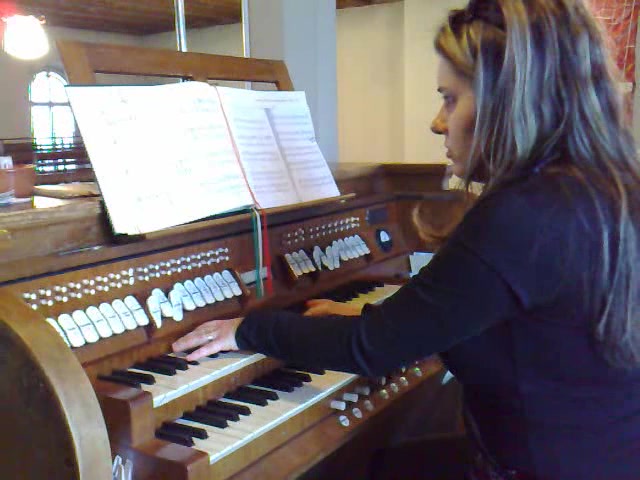
Different keyboards, different ways of listening
The harpsichord, piano and organ are not three versions of the same instrument
The harpsichord teaches precision of articulation and the direction of energy without dynamic modelling of an individual note. The piano opens a different world of weight, cantilena and gradations of sound. The organ requires architectural thinking: in registers, spatial planes, reverberation time and the breath of a phrase that remains within the building after the key has been released.
For Edyta, these experiences do not exist in isolation. The harpsichordist’s sensitivity brings clarity to polyphony at the piano; organ practice broadens the aural perception of long form; and familiarity with the piano makes it possible to distinguish its language consciously from the mechanism of plucked keyboard instruments.
Next