Chamber music
An equal conversation between performers, shared phrasing, agreement on articulation and the assumption of initiative without losing the ensemble’s unity.
2006–2026 · 20 years online
Twenty years of music, encounters and artistic history. Edyta Środa’s website has been online since 2006 and is now entering a new chapter.
Harpsichordist · Pianist · Conductor · Organist · Music Educator
Artistic collaboration
A solo recital concentrates responsibility in one person. Chamber music, orchestra, choir, theatre, studio and an educational project, on the other hand, require an attentive encounter between many people. Edyta Środa brings to such work her experience as a harpsichordist, pianist, continuo player, conductor, arranger, music educator and musician preparing material from the first rehearsal to the concert or recording.
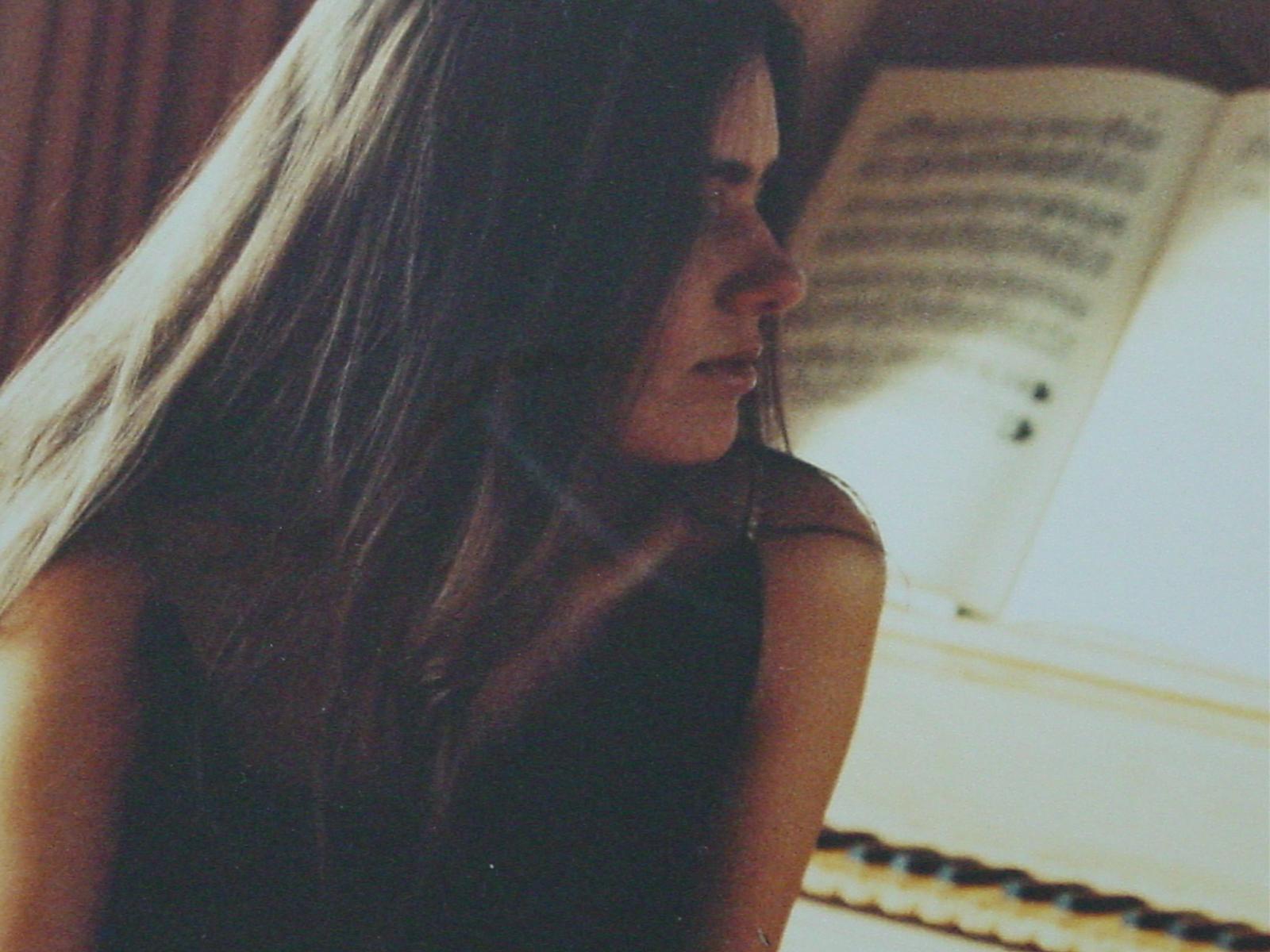
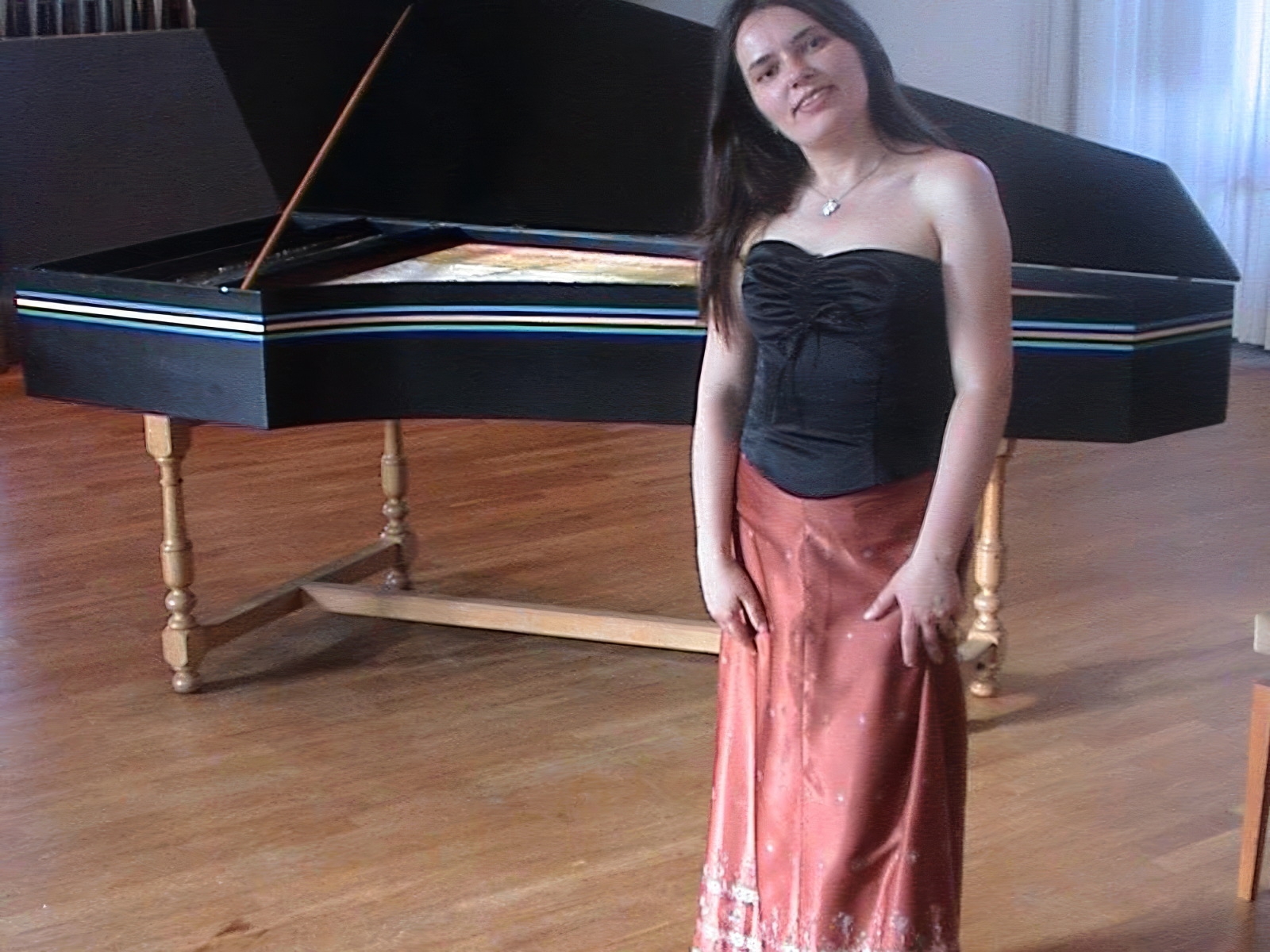
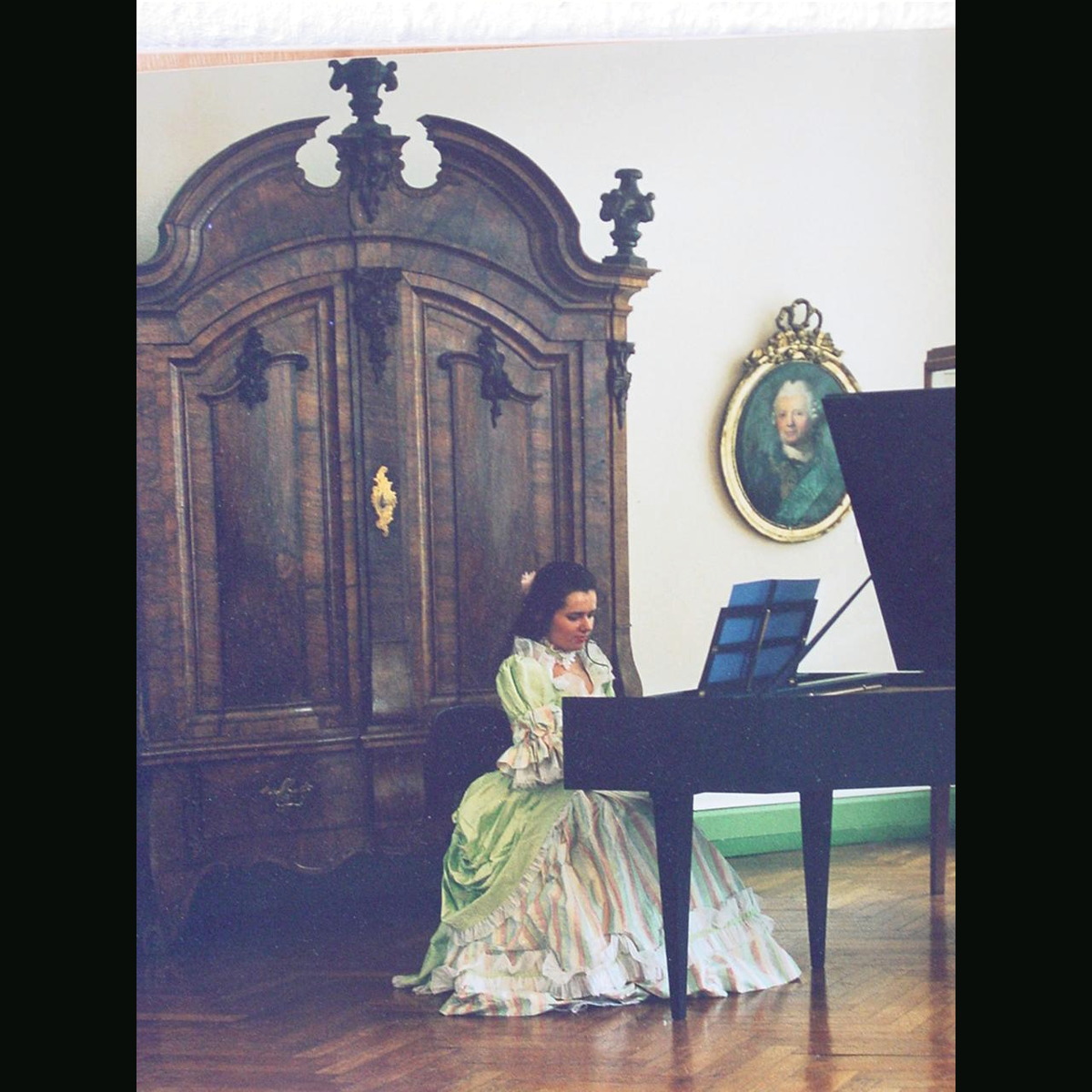
Collaboration does not mean relinquishing one’s own voice. It means listening to others in such a way that a single convincing story can emerge from many voices.
The art of working together
In early music, collaboration begins with a shared understanding of style. Articulation, tempo, rhetoric, ornamentation, the manner of leading the bass and the proportion between voices cannot be a collection of independent decisions. Even when the musicians do not work with a conductor standing before them, the performance needs direction, breath and a conscious architecture.
A harpsichordist realising basso continuo is situated within the ensemble. She builds the harmony, supports the pulse and responds to the soloist, but cannot cover the timbre of the other instruments. This position teaches a particular kind of leadership: active but unobtrusive; responsible for the foundation, though often remaining away from the foreground.
Dialogue is arranged differently in a duo or small chamber ensemble. Every agogic change, every breath and manner of ending a phrase becomes immediately audible. Partnership does not mean mechanical equality. Leadership can pass between voices at successive points, and a good performer can both take the initiative and create space for another musician.
With larger forces come relationships with the conductor, concertmaster, choir, soloists and orchestral sections. The harpsichord must remain clear, but its function arises from the score, acoustics and character of the work. Edyta’s experience encompasses solo, chamber, orchestral and oratorio repertoire, enabling her to see her own part as an element of a longer form.
Working with a vocalist requires sensitivity to text, breath, diction and natural tessitura. An accompaniment is not a sonic background. It can open a phrase, lead the harmonic tension, prepare an entry and sustain the performer’s confidence. The same abilities return in répétiteur work, during a choir rehearsal and in the recording studio.
Edyta has collaborated with artists and institutions in Poland and abroad, in Polish, German and international environments. Languages, repertoires and models of organising work have changed. The need for reliable preparation, clear communication and respect for the competence of every participant in a project has remained constant.
Forms of collaboration
The multiplicity of Edyta’s roles does not form an accidental collection of activities. Each one develops the ability to listen, prepare material and lead music towards a coherent form.
An equal conversation between performers, shared phrasing, agreement on articulation and the assumption of initiative without losing the ensemble’s unity.
Realising the harmony, maintaining the pulse, responding to the text and building a foundation that supports the soloists and the entire construction of the work.
Awareness of large-scale form, proportions of sound, the relationship with the conductor and the place of a keyboard instrument within a larger performing organism.
Work with voice, text and breath, preparation of parts and helping the performer move from learning the material to a free performance.
Choosing repertoire, preparing parts, leading rehearsals, shaping interpretation and creating the conditions in which the ensemble can sound at its best.
Preparation of scores and parts, instrumental and vocal parts, sessions and a recording that preserves the musical logic of the performance.
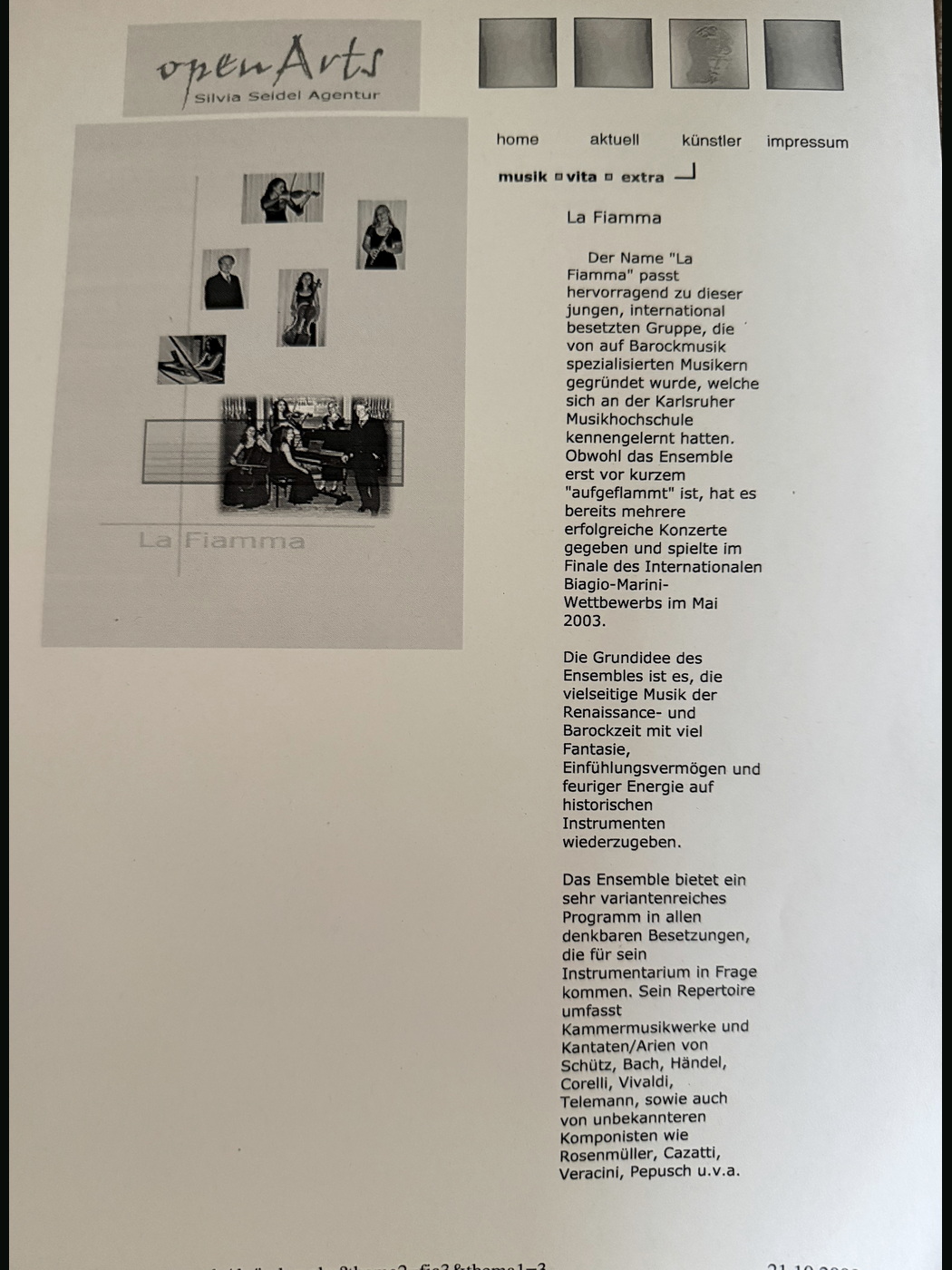
La Fiamma
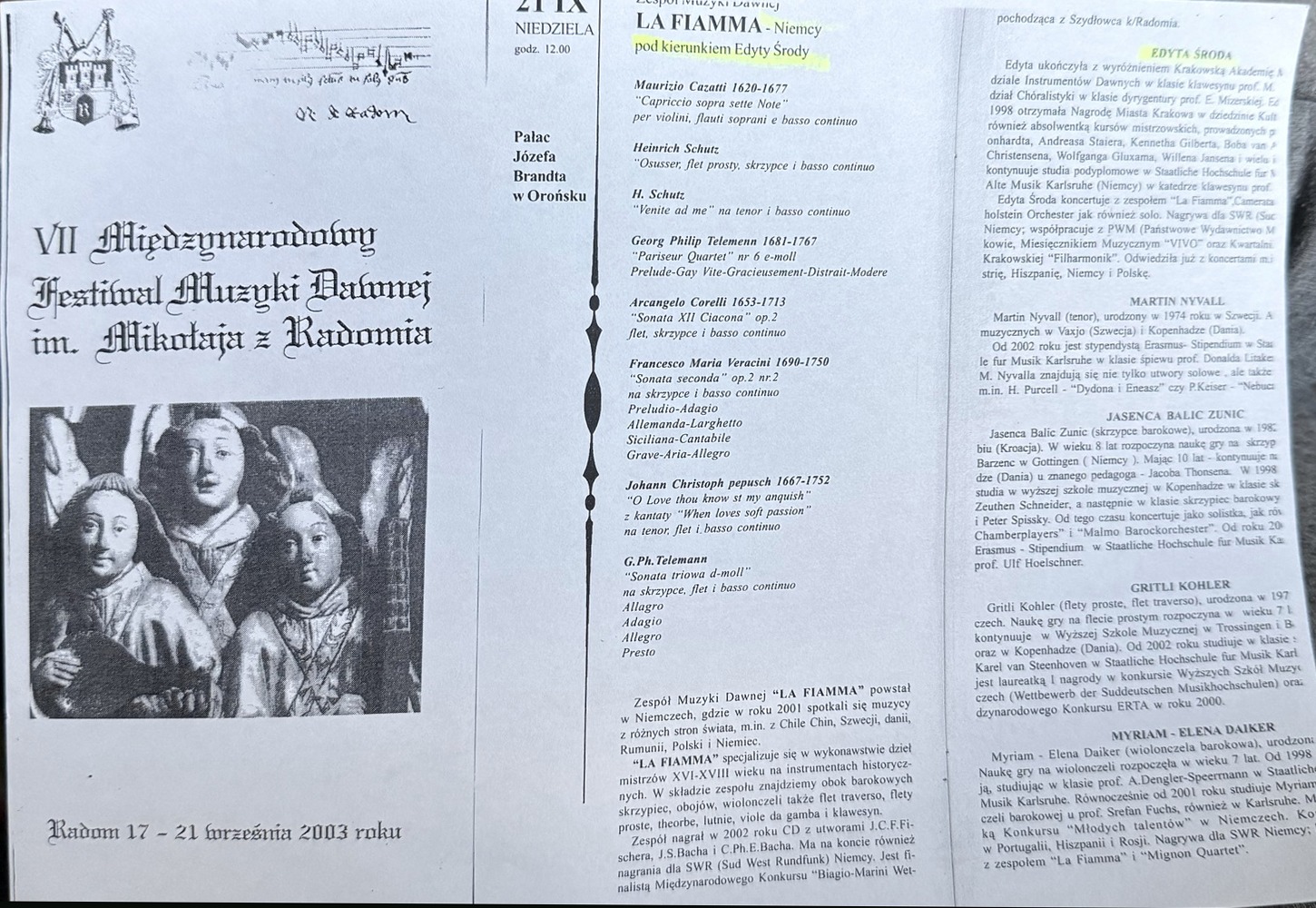
La Fiamma was formed in the environment of musicians associated with Hochschule für Musik Karlsruhe and was active approximately from 2002 to 2005. The ensemble had an international membership, and its repertoire encompassed Renaissance and Baroque music performed on historical instruments. Edyta was the ensemble’s harpsichordist and one of those who directed its work.
This is a distinctive model of an ensemble. Artistic direction is not always set by one person standing in front of the musicians. Decisions emerge during the shared reading of the score, rehearsals and discussions of style. The harpsichordist can simultaneously realise the continuo, organise the harmony, initiate a change of character and help the ensemble maintain a perspective of the entire form.
In May 2003, La Fiamma reached the final of the international Biagio-Marini-Wettbewerb. The ensemble performed in Germany and Poland, including at the 7th Mikołaj of Radom International Early Music Festival. The surviving programme for this event includes the description “La Fiamma — Germany, under the direction of Edyta Środa” and repertoire comprising works by Cazzati, Schütz, Telemann, Corelli, Veracini and Pepusch.
The ensemble’s archival profile emphasised energy, imagination and a variety of performing forces. For the new website, this documentation has a significance extending beyond a mere list of concerts. It shows a stage at which chamber music, basso continuo practice, knowledge of historical instruments and the ability to organise an ensemble’s work came together in a single undertaking.
Ensembles and orchestras
The list will be supplemented with dates, programmes, performing forces, photographs and recordings. The sources already available nevertheless show the broad spectrum of Edyta’s collaborations — from early-music ensembles to orchestras, choirs and radio projects.
Kraków
Kraków
Karlsruhe
Germany
Rastatt
Bonn
Karlsruhe
Europe
Europe
Mannheim
Within the ensemble
Realising a basso continuo part requires knowledge of harmony and style, but correct chords alone are not enough. One must hear where the voice is going, what space the melodic instrument needs and when the texture should acquire weight or almost disappear. Depending on the repertoire, the performing forces, register, density of the realisation and the rhythmic character of the accompaniment all change.
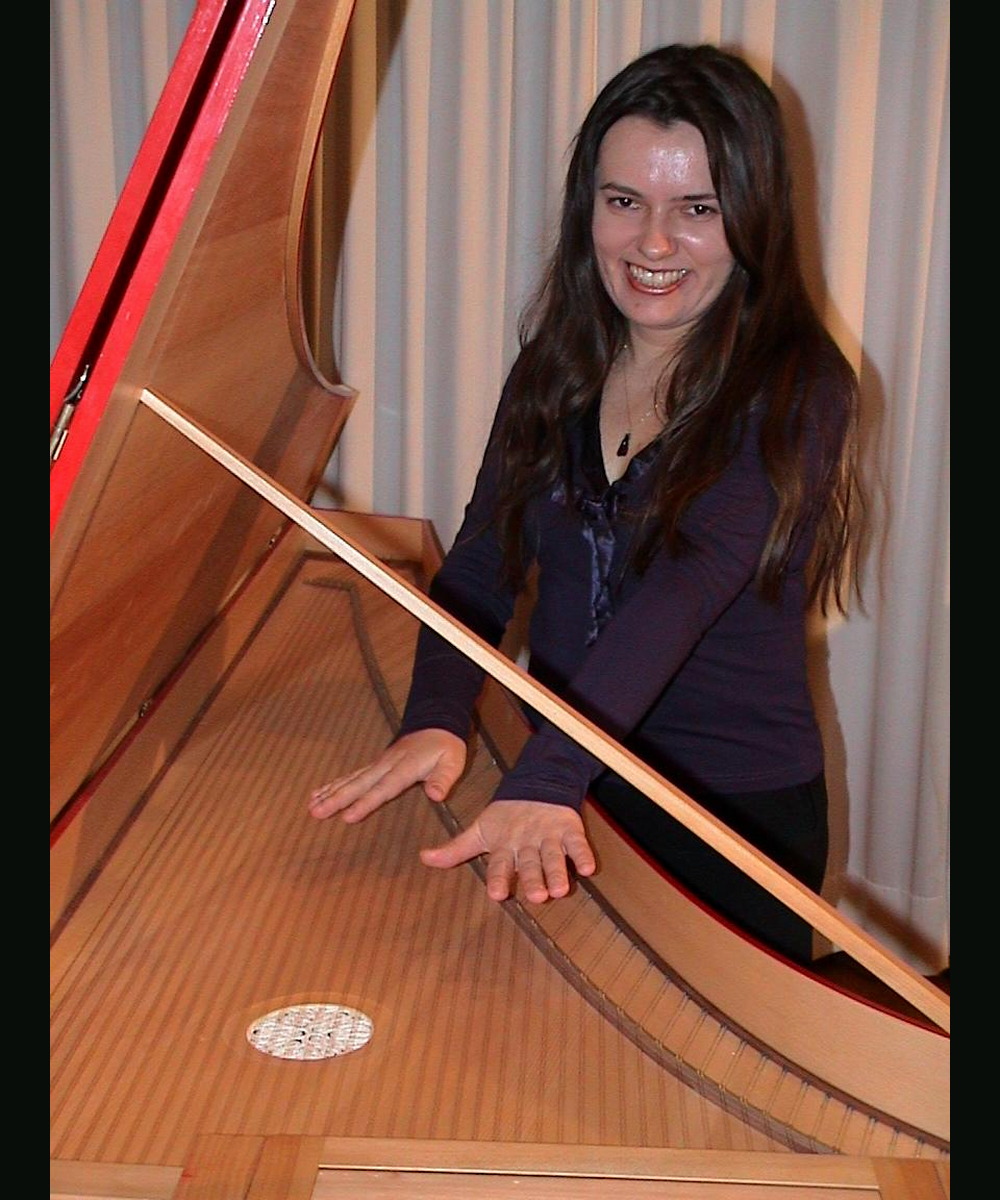
Edyta developed harpsichord chamber music and continuo in Karlsruhe, also working during international courses and academies. Encounters with outstanding performers and practice in different ensembles enabled her to confront historical solutions with the actual sound of instruments, halls and particular partners.
Collaboration with a vocalist presents different tasks from playing with flute, violin, Baroque cello or an orchestral ensemble. The manner of leading the bass, the type of attack, the flexibility of the pulse and the importance of silence all change. In every case, the harpsichord remains a partner in conversation — not a mechanical filling-in of the harmony.
Places and roles
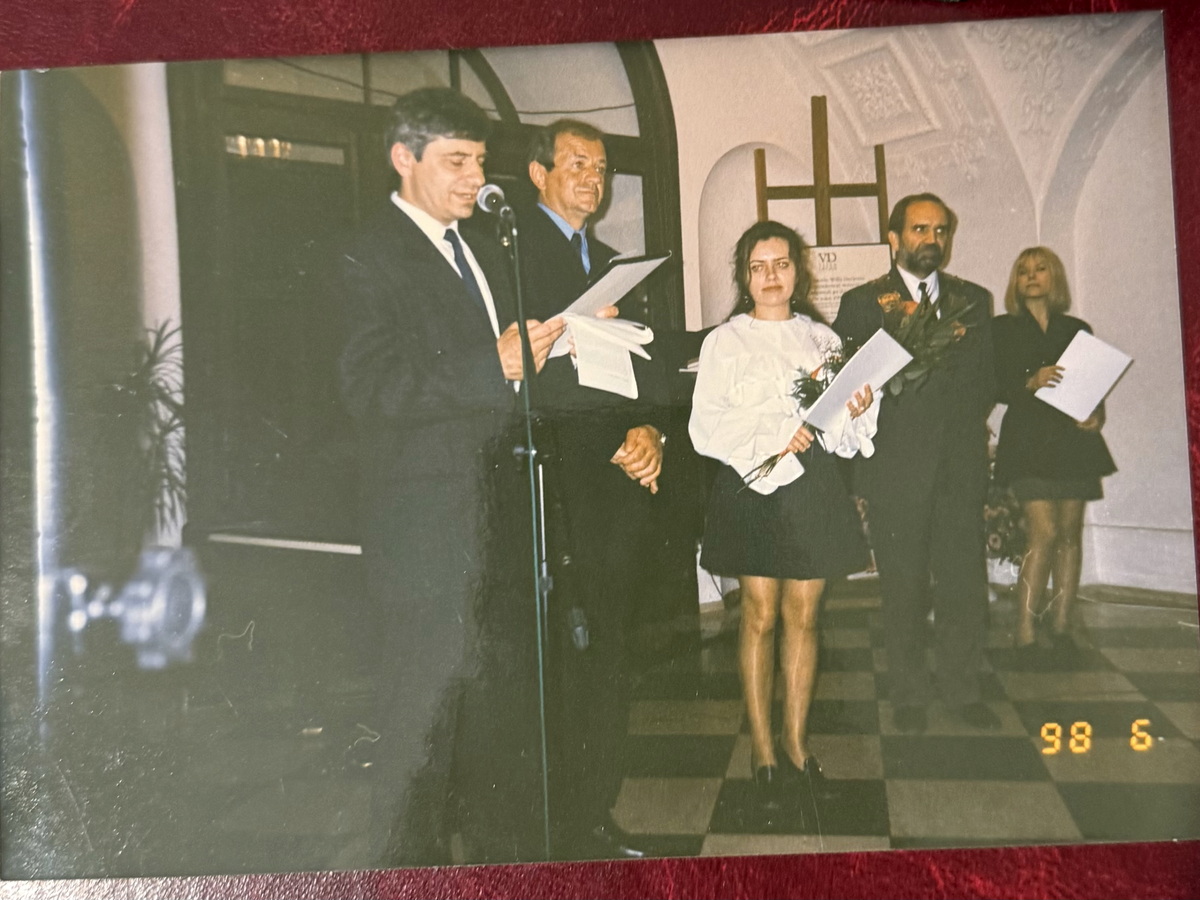
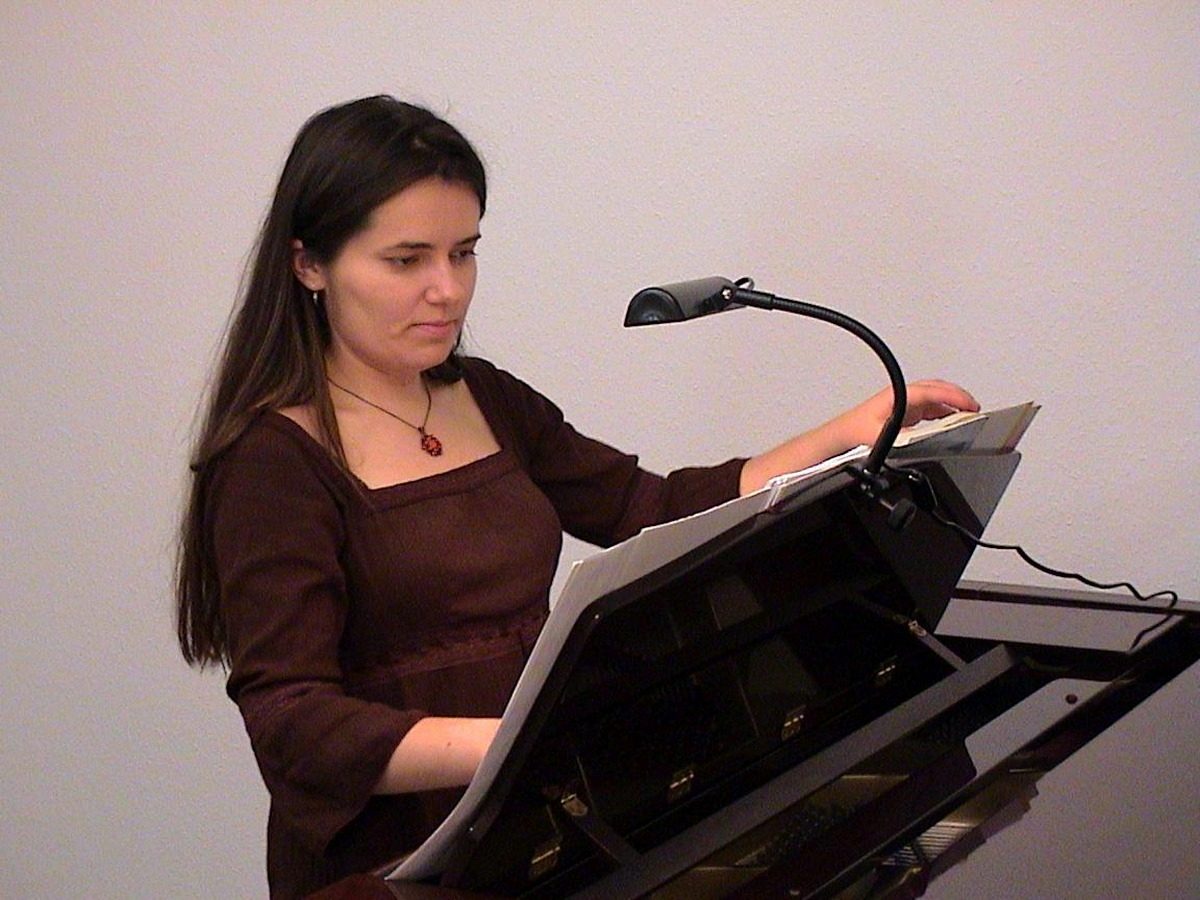
Edyta was professionally associated with the Opera and Operetta in Kraków and the Academy of Music in Kraków. She worked as an accompanist, répétiteur and a person supporting artistic preparation while simultaneously developing her own piano and harpsichord practice.
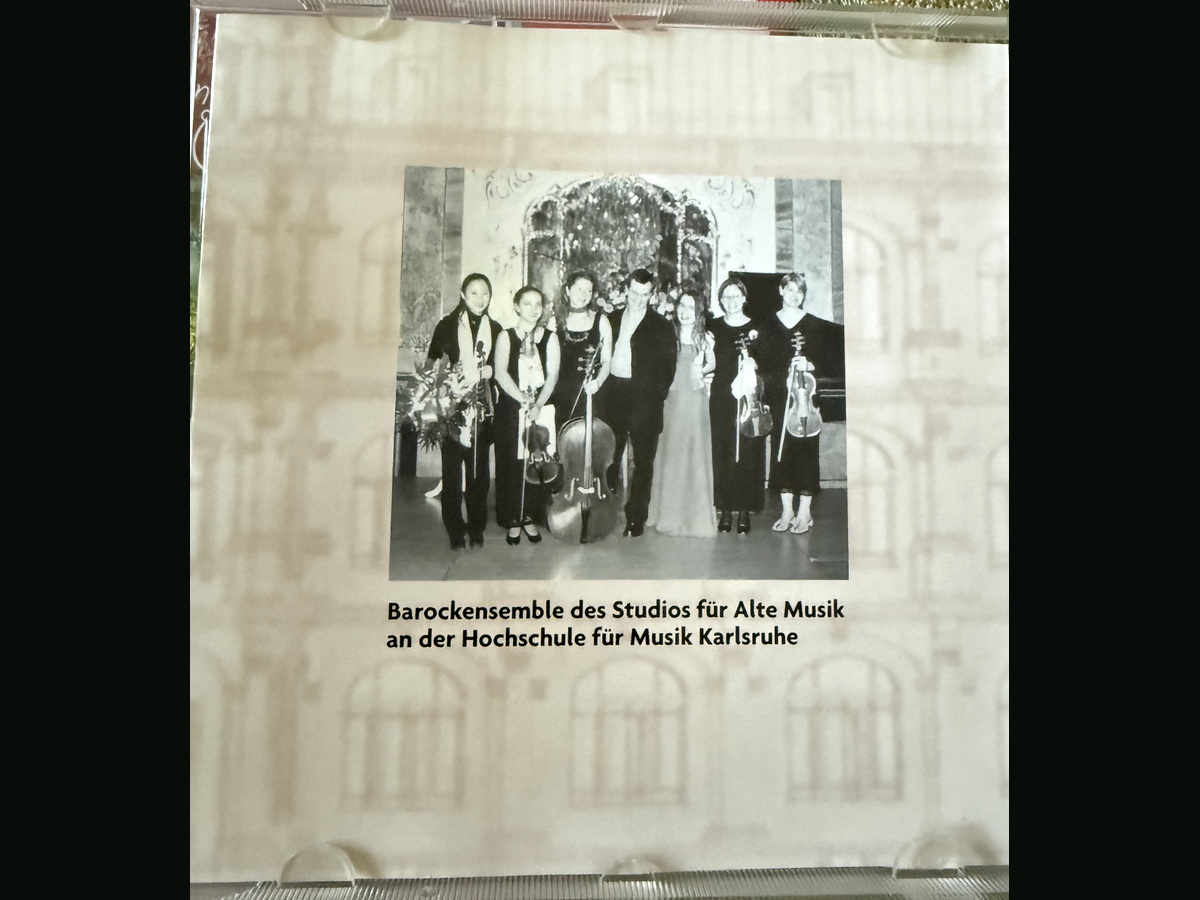
As an artistic assistant, she worked in the academy environment where studies, chamber practice, concerts and the preparation of young musicians came together. She was also invited to work as a répétiteur during the Internationale Händel-Akademie Karlsruhe.
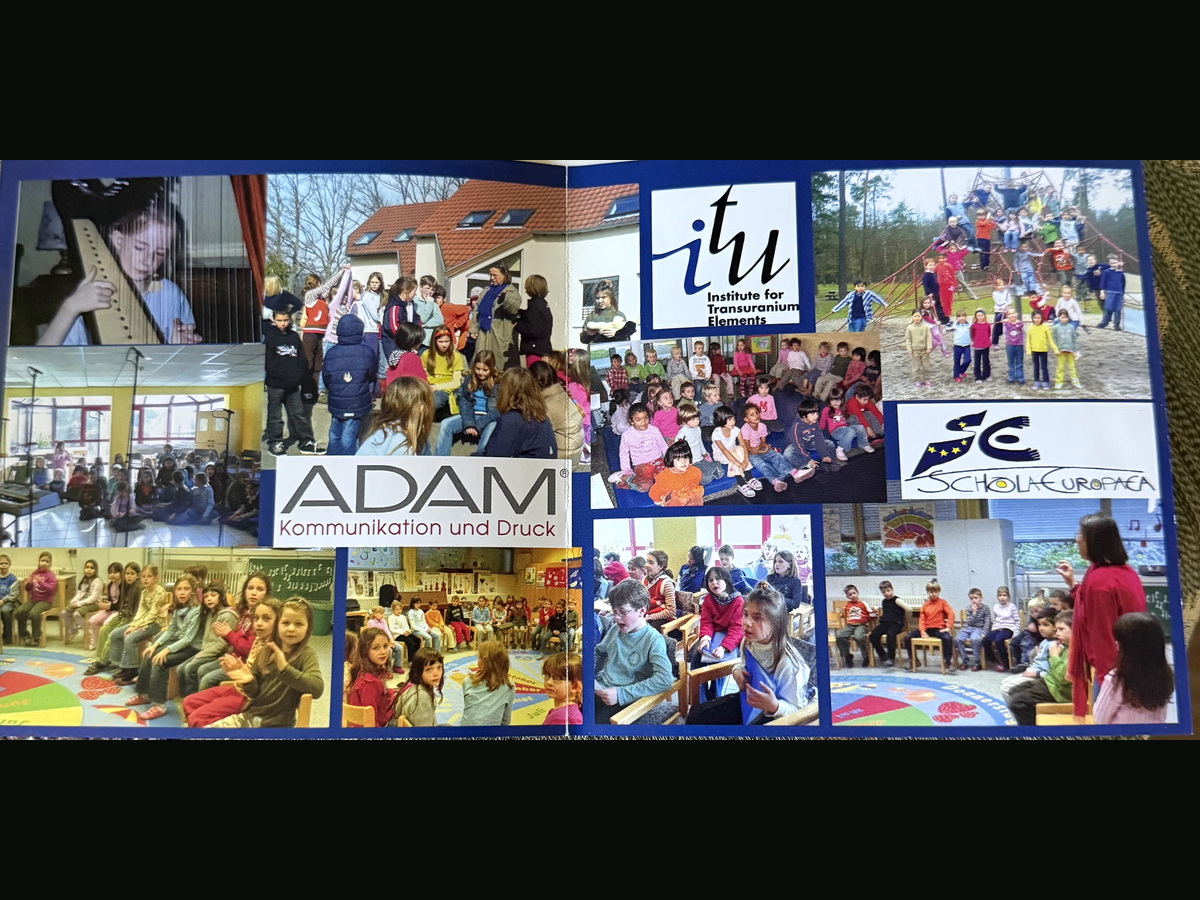
Teaching music, directing the children’s choir, and preparing accompaniments, arrangements and works led to concerts and two CD releases. It was a long-term collaboration conducted within a multilingual school community.
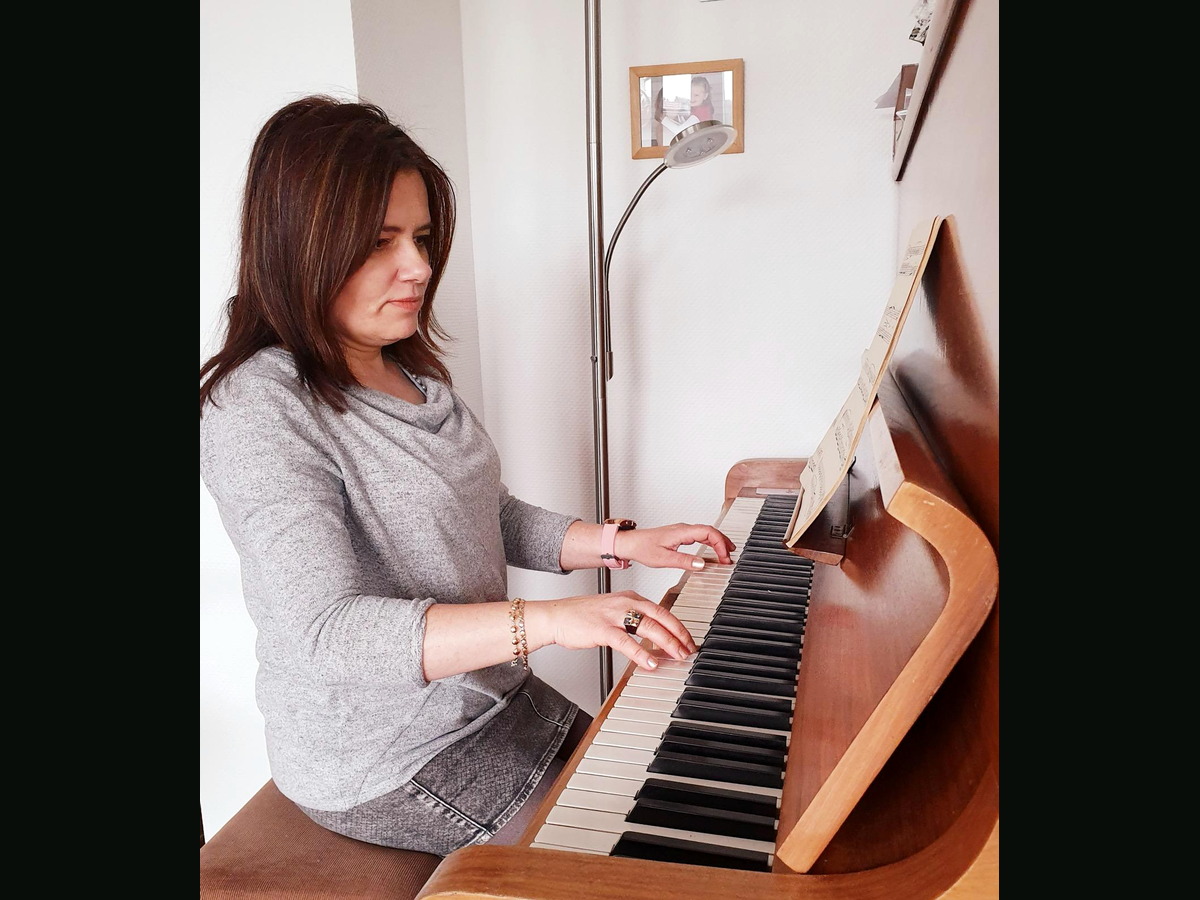
In Wörth am Rhein, Edyta gave musical preparation to people playing in the accordion orchestra. The work required a combination of educational knowledge with an understanding of ensemble pulse, articulation and responsibility for the shared result.
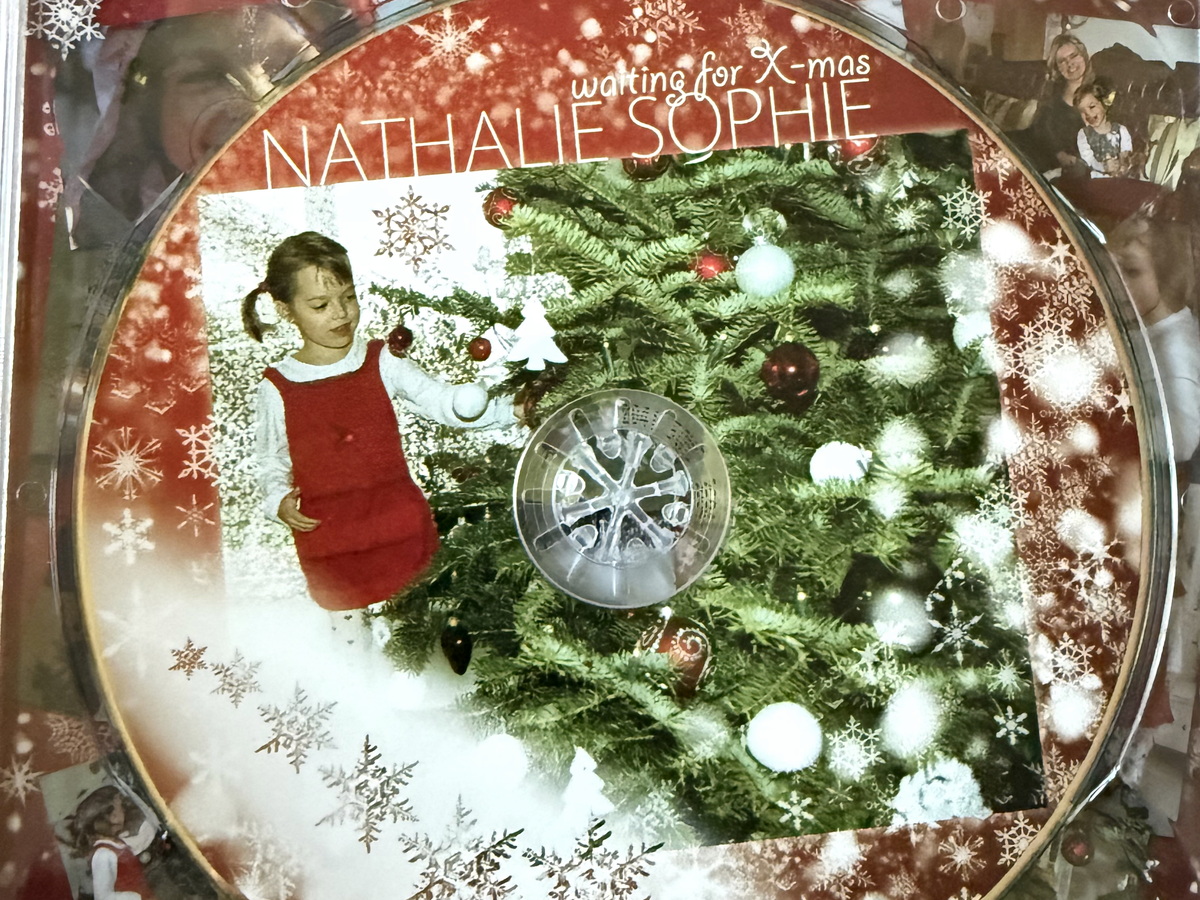
The long-standing relationship encompasses the preparation of scores and parts, arrangements, instrumental and vocal parts, and the co-creation of album projects and songs. Over time, it also developed into work with Wytalentowane MFM.
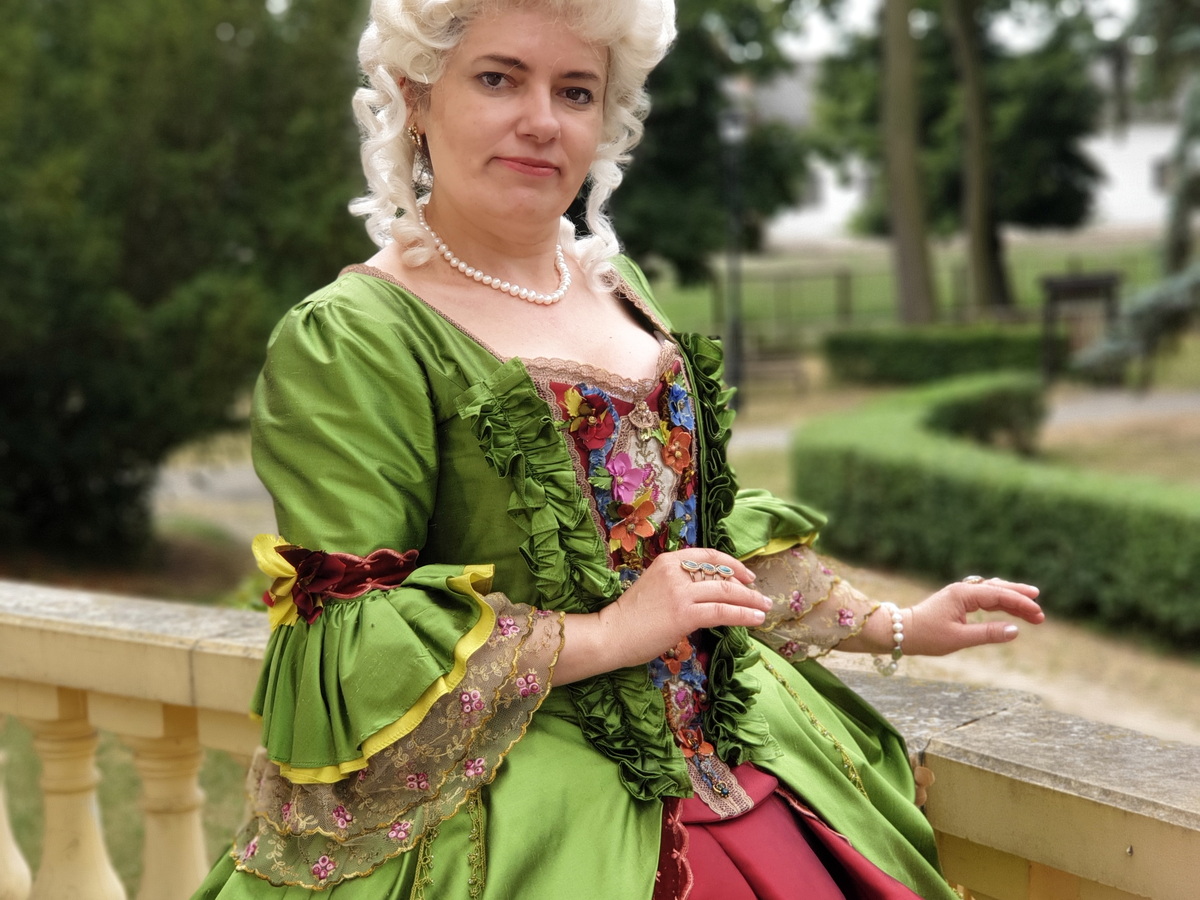
Music met dance, choreography, historical costume and a narrative about past customs. Collaboration with the Corona Florum ensemble and Edyta’s original activities made it possible to build events extending beyond the traditional recital format.
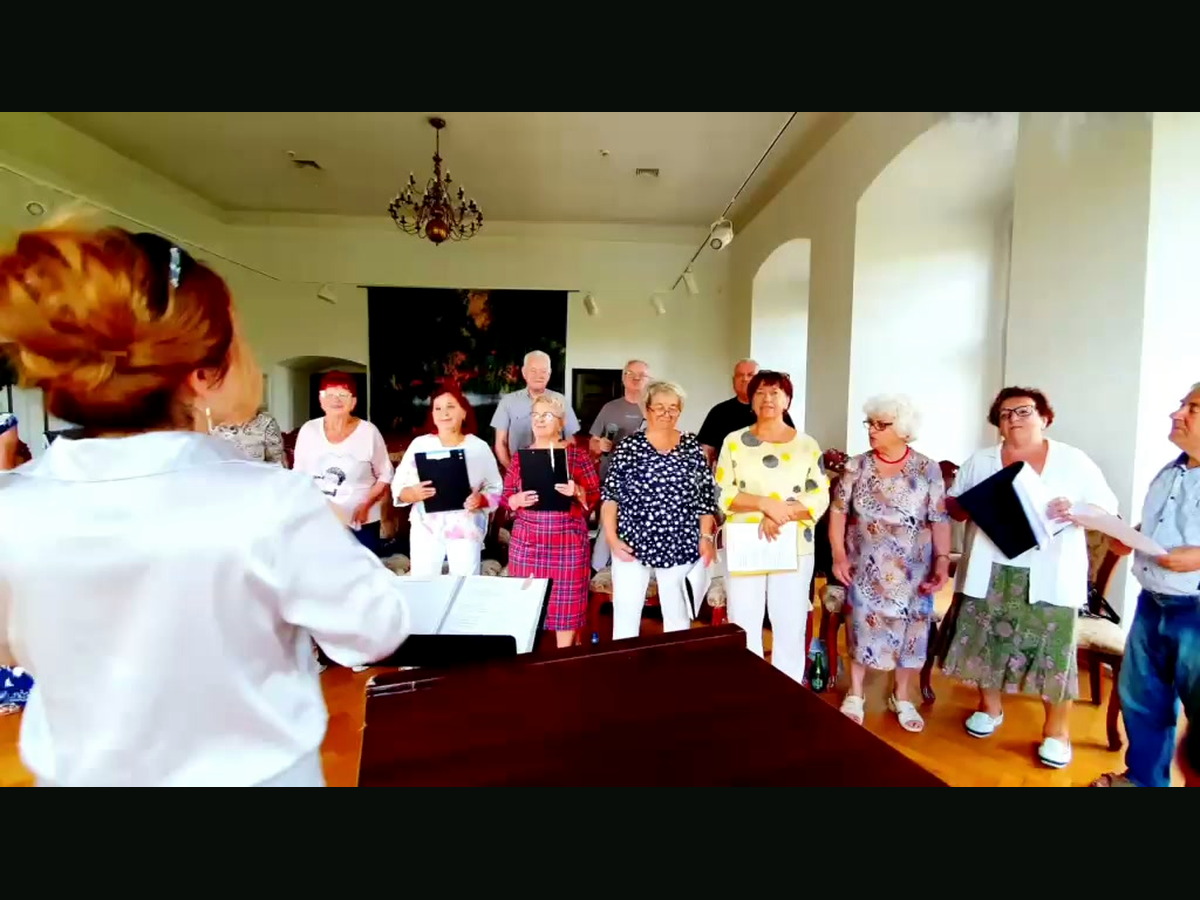
At Szydłowieckie Centrum Kultury – Zamek, Edyta is responsible for the ensemble’s entire musical dimension: repertoire, arrangements, accompaniments, vocal production, rehearsals, conducting and preparation of performances.
Collaboration today
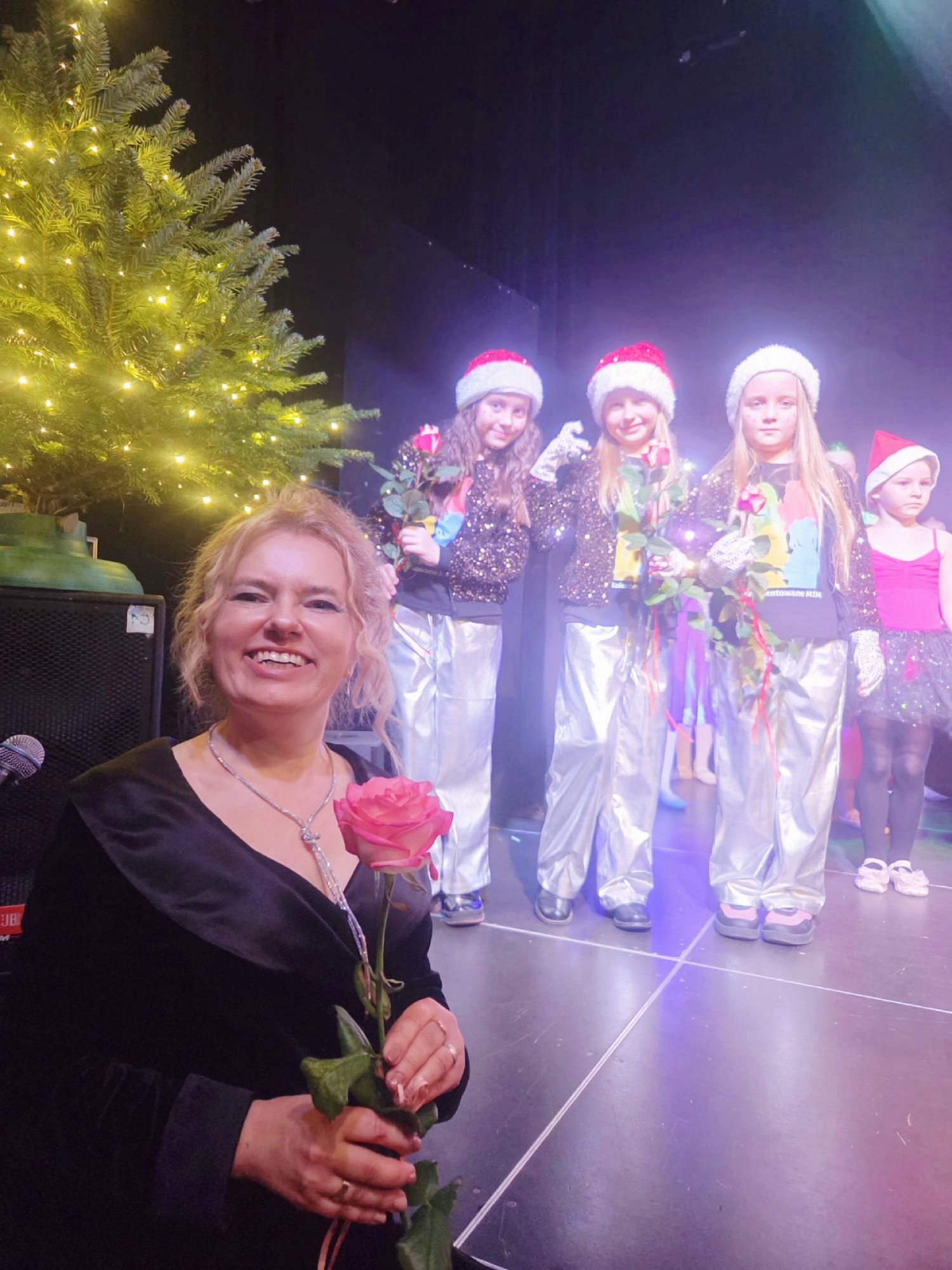
Wytalentowane MFM ↗ and Grupa Wokalno-Aktorska RETRO ↗ are different ensembles, intended for different performers and audiences. In both cases, however, Edyta combines several roles: she chooses repertoire, develops the material, coaches the voices, accompanies, arranges, conducts and builds the ensemble’s confidence on stage. This enables her to hear a project as a whole — from the first reading of a work to a concert or recording.
She has worked with Wytalentowane MFM since 2017. She prepares the young performers vocally and interpretatively, creates arrangements and accompaniments, and during rehearsals combines musical precision with attentiveness to each participant’s individual voice. This work leads not only to performances but also to studio sessions and successive original songs — from Christmas and winter stories to works about spring, holidays and the world seen through children’s eyes.
In the RETRO Group, which operates at Szydłowieckie Centrum Kultury – Zamek, the point of departure is different. Edyta is responsible for the ensemble’s musical dimension: she selects and organises the repertoire, adapts keys and parts to the actual capabilities of the voices, prepares arrangements and accompaniments, and leads rehearsals and concerts. The clarity of the musical construction is as important here as memory for the text, shared breathing, diction and the performers’ comfort on stage.
Such a broad range makes it possible to preserve coherence between conception and performance. If an arrangement does not suit the voices, it can be corrected. If the order of the programme weakens the concert’s dramaturgy, it can be changed. If the performers need a different pace of work, the rehearsal is planned so that the artistic aim remains achievable without sacrificing quality and the natural joy of making music.
Contemporary activities do not replace history — they are its continuation. Experience gained from early music, chamber music, répétiteur work, a children’s choir and international ensembles returns today in projects in which musical standards, responsibility for partners, community and the joy of performance are equally important. The repertoire and performers change, but the same principle remains: to listen to people so attentively that together they can create a convincing story.
Working together
Edyta remains open to undertakings that require performance skills, an understanding of early music, and conducting, arranging and educational experience. The scope may include a recital, chamber music, basso continuo, participation in a larger production, preparation of an educational programme, direction of an ensemble or development of material for a recording.
Every proposal requires a separate assessment: of the repertoire, performing forces, venue, instrument, rehearsal time and expected result. The most interesting collaborations begin with a specific musical idea and a conversation about how to give it the best form.