Music education

To teach music is to awaken independent listening

Edyta Środa works with children, young people, adults and seniors. She combines her experience as a pianist, harpsichordist, conductor and vocal coach, adapting her language, repertoire and pace of work to the individual — without compromising artistic quality.

Music education is not a separate addition to her work. It grows directly from concert practice, knowledge of styles, work with scores and many years of experience preparing soloists and ensembles for performance.

PianoVocal techniqueVocal ensemblesAccompanimentArrangingMusic history
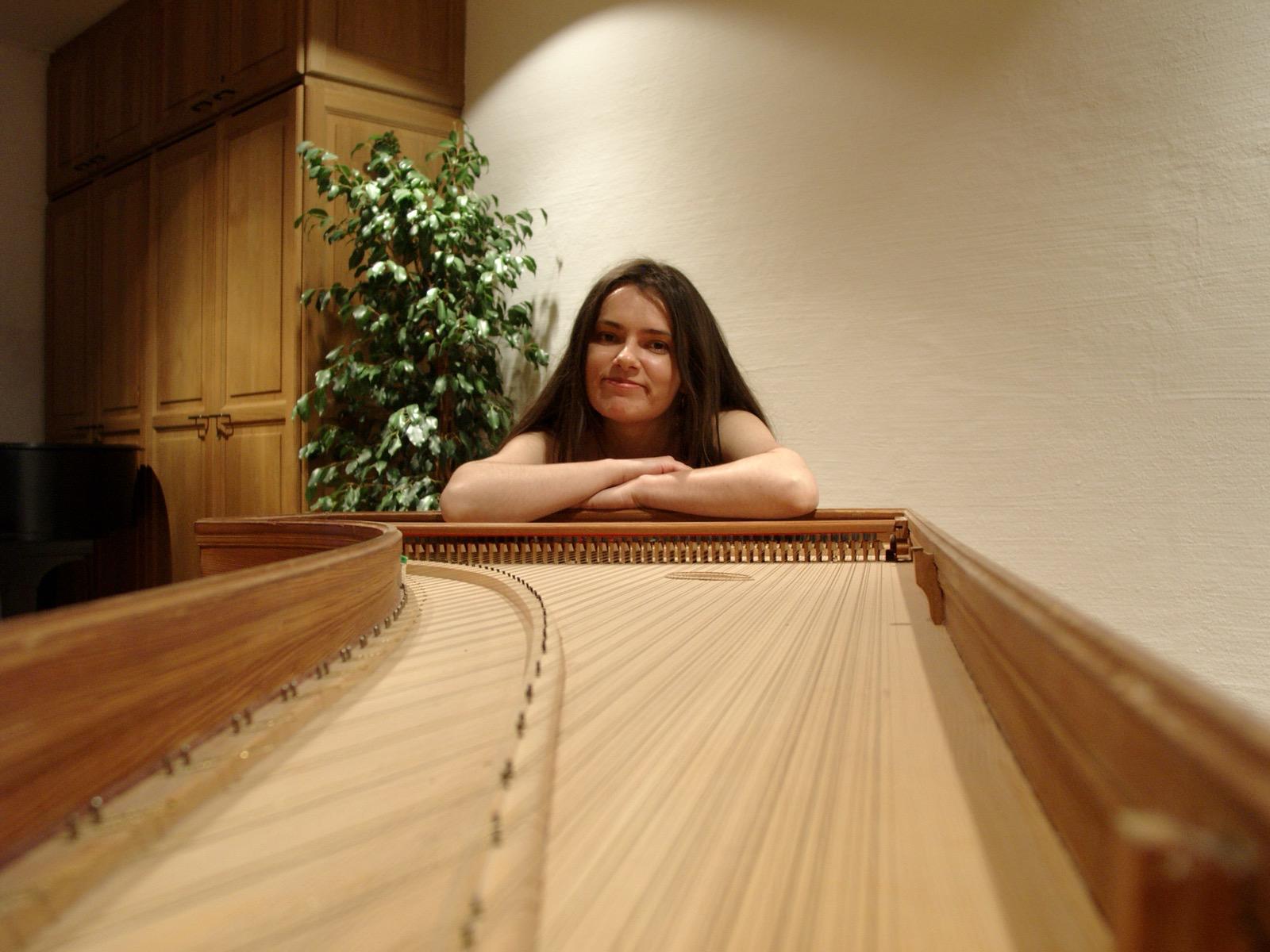
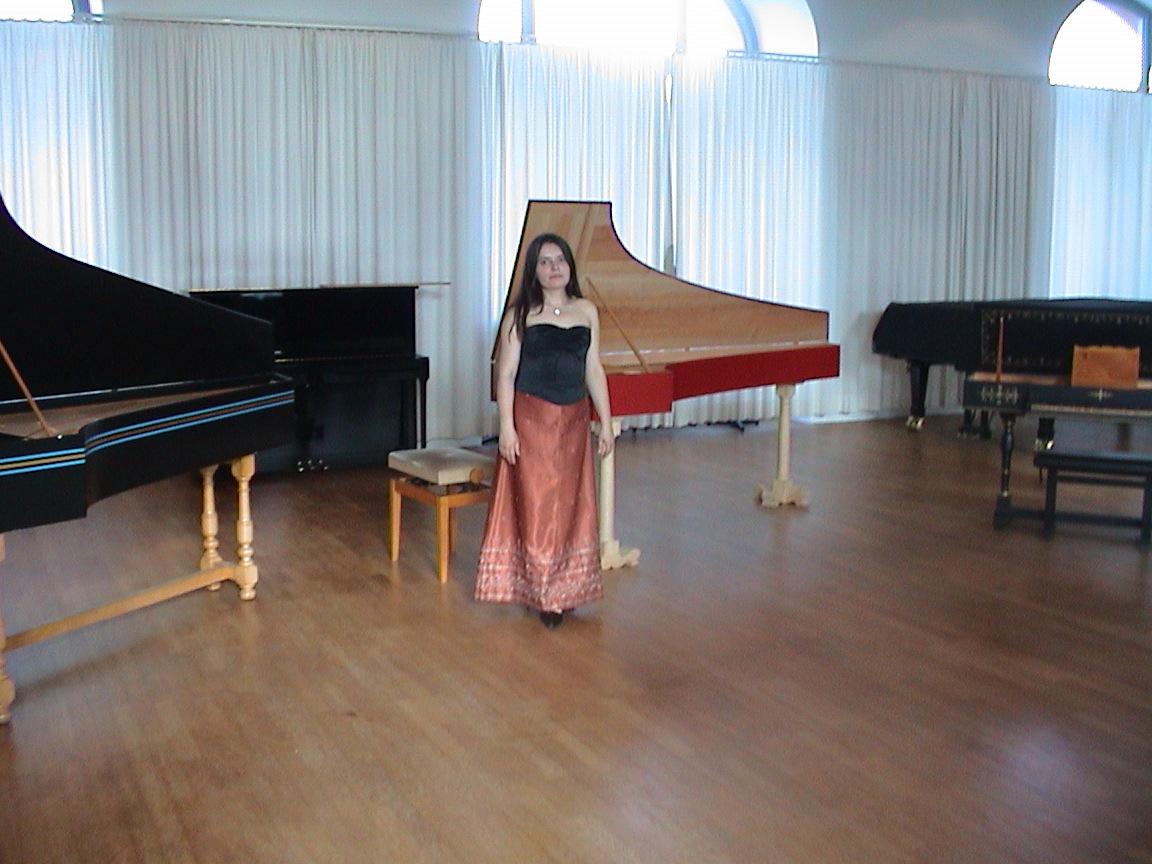
Edyta Środa in a room with a harpsichord and pianos
Edyta Środa — instrument, space and a direct encounter with music

There is no single path to music. There is, however, a shared responsibility: to listen attentively and guide in such a way that the performer is increasingly able to find answers independently.

Music educator and Artist

Teaching that grows from comprehensive musical experience

Edyta Środa’s teaching did not begin with a ready-made method or a single chosen field. Its foundations lay in the simultaneous study of music theory, ear training, conducting, piano and harpsichord, followed by chamber and solo practice and the realisation of basso continuo. A student’s problem can therefore be viewed from several perspectives: as a question of movement, hearing, harmony, form, style or psychology.

In 1997, Edyta received a Master of Arts degree from the Academy of Music in Kraków in music education and the conducting of vocal and vocal-instrumental ensembles. Four years later, she completed her harpsichord studies in the class of Professor Elżbieta Stefańska with distinction. In 2000 she also obtained teaching qualifications for harpsichord tuition. These two strands of education — pedagogical and conducting, and instrumental — remained present throughout her subsequent work.

Concert performance teaches responsibility for a result that happens only once and cannot be corrected afterwards. Music education requires a different kind of patience: the ability to observe a process, identify the cause of a difficulty and find an exercise that genuinely brings about change. In Edyta’s work, these two kinds of experience complement each other. The demands of the stage do not allow superficial solutions, while teaching experience helps her define precisely the means needed to achieve an artistic aim.

This does not mean imposing a single interpretation. A good teacher can point to tradition, stylistic boundaries and the consequences of a particular decision, but should also leave room for the performer’s individuality. The ultimate aim is a conscious musical statement in which technique, knowledge and imagination form a single whole.

1997Master’s degree in music education and ensemble conducting
2000teaching qualifications for harpsichord tuition
2001–2010Europäische Schule Karlsruhe
to the presentcontinuous work with performers of different generations

Working with different generations

Different needs, the same seriousness of musical encounter

The method changes with the person. The foundation remains the same: listening, conscious technique, an understanding of phrase and the joy of genuine progress. A child’s first musical experiences are guided differently from those of an adult returning to an instrument after many years, and differently again from an ensemble preparing a shared stage programme.

01

Children and young people

Developing listening, memory, imagination and confidence on stage through singing, playing, movement and ensemble work. What matters is not only correct performance, but also curiosity about sound and an understanding of musical gesture.

02

Adults

Individual piano tuition, the conscious development of technique, and repertoire adapted to the student’s abilities, interests and available time. An adult student brings an individual sensitivity and experience — these should be used rather than replaced by a schoolroom routine.

03

Seniors

Work on voice, breath, diction and musical memory, taking account of the performers’ comfort and a shared concert aim. An arrangement must be practicable while retaining expression, dramaturgy and artistic quality.

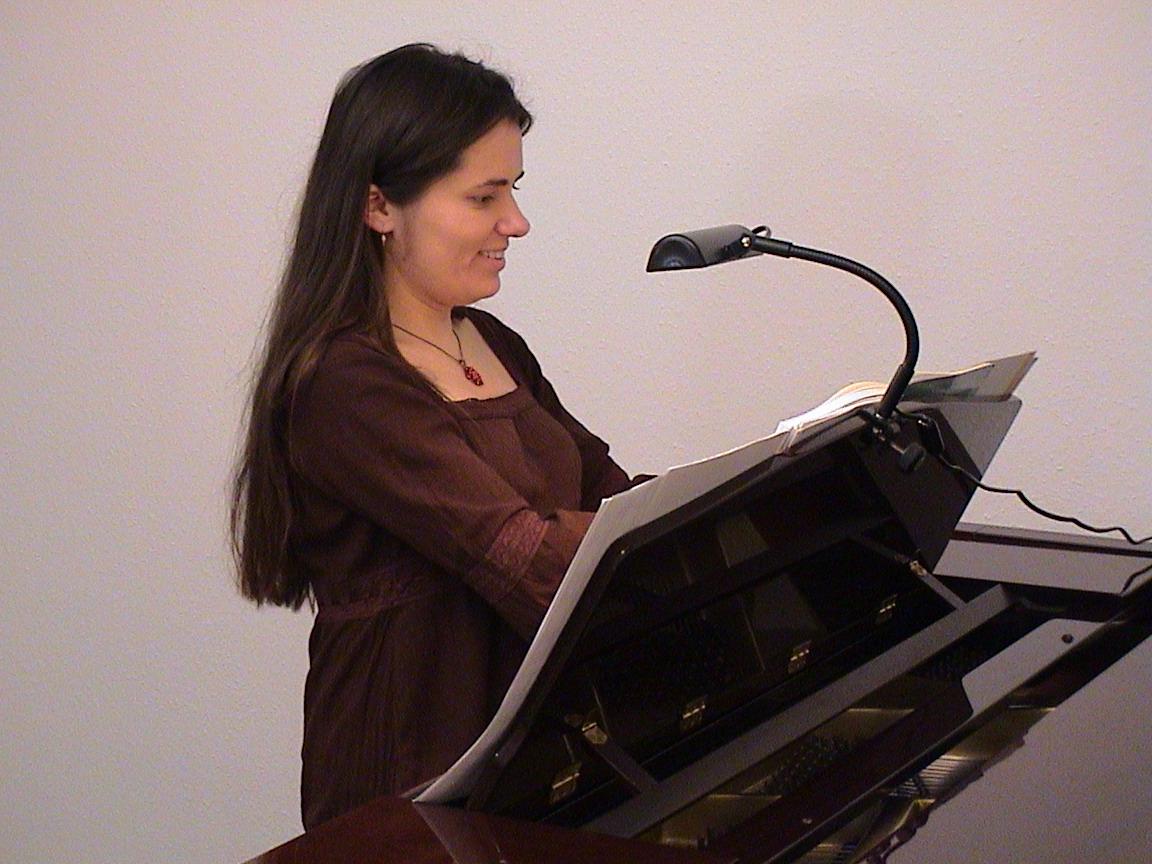
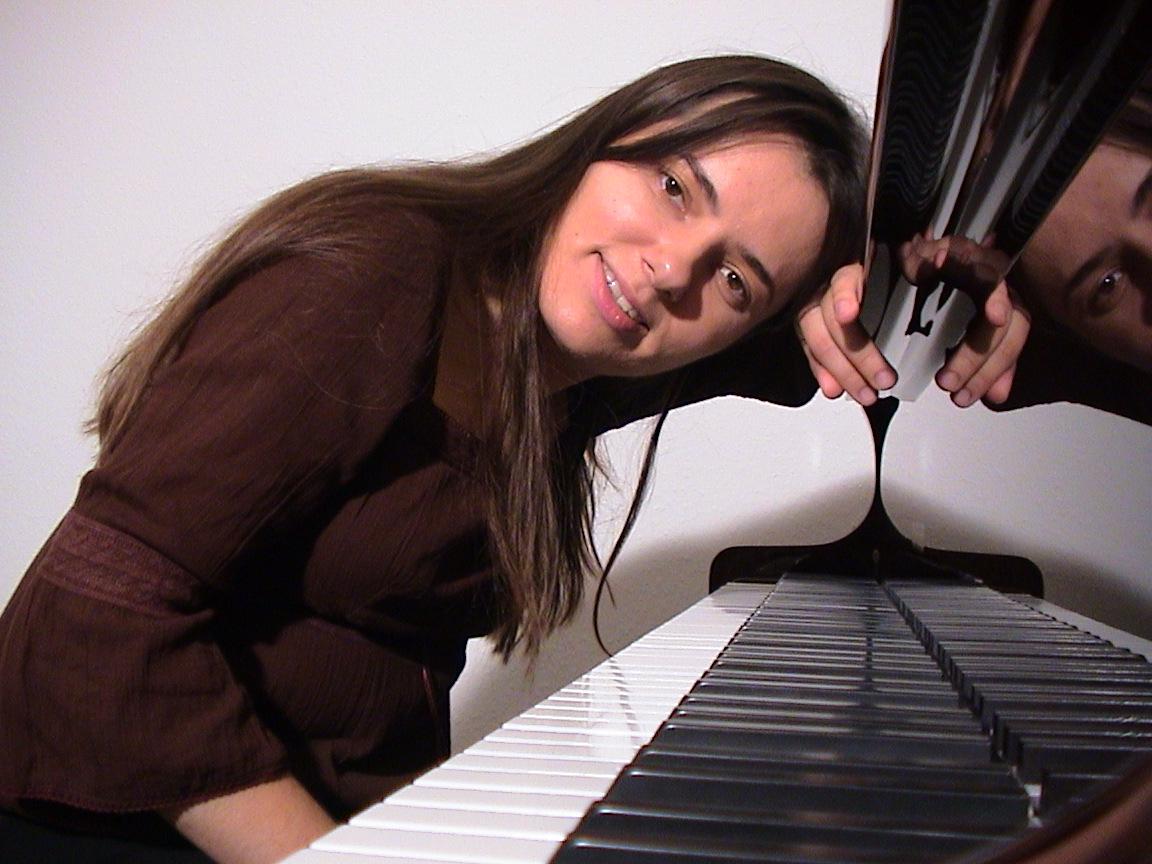
Edyta Środa at the piano
Piano — technique, imagination and the conscious shaping of sound

An individual path

Technique should serve the music, not obscure it

In instrumental work, Edyta combines reading the score, coordination, conscious gesture and control of sound with an understanding of form and style. The aim is not the mechanical reproduction of a work, but the gradual development of musical independence.

Material is chosen to present real challenges without removing the ability to listen. A technical problem is divided into clear components and then reintegrated into the phrase, agogic inflection, articulation and the complete course of the work.

Listeningintonation, colour, proportions
Techniquefreedom, coordination, articulation
Interpretationphrase, form, style
Independenceconscious performance decisions

Method of work

From precise diagnosis to an individual interpretation

The first step is to recognise what is genuinely holding the performer back: the absence of a clear pulse, awkward coordination, tension, uncertainty of intonation, a lack of harmonic understanding, or perhaps no conception of the intended sound. Only then does an exercise become purposeful.

Edyta draws on experience acquired at the piano, harpsichord and organ, in vocal ensembles and through her work as an accompanist. This makes it possible to view a problem simultaneously from the perspective of technique, style, voice and the entire construction of the work.

The same difficulty can have different causes. An uneven passage does not always result from insufficient finger technique — it may originate in unclear voice-leading, accidental fingering, a lack of breath between phrases or a tempo at which the performer ceases to hear the direction of the music. Instead of repeatedly playing the whole work, Edyta isolates the particular mechanism and selects an exercise that addresses the actual problem.

Understanding the nature of the instrument is equally important. The piano allows dynamics to be shaped through weight and the speed of attack; the harpsichord requires particular control of articulation, time and relationships between voices; while the organ teaches thinking in a long line, through registration and the acoustics of the space. Experience of these different ways of producing sound helps Edyta avoid applying one solution mechanically to every repertoire.

A technical correction is always reconnected with musical meaning. Fingering should support phrasing, articulation should arise from the character of the motif and style, and tempo should allow the harmony, rhythm and formal tension to be heard. In polyphonic music, independence of voices becomes particularly important: the performer should know not only which note to play, but where each line is going and what function it serves within the entire texture.

Edyta has worked with children, adults, singers and ensembles, and can therefore adapt her language of explanation and the pace of progress without lowering artistic standards. One performer may be helped by precise harmonic analysis, another by a demonstration of a more comfortable gesture, and another by finding the breath and proper character of a phrase together. The method remains flexible, but the aim is constant: a conscious, free and stylistically convincing performance.

The final stage is therefore not the flawless repetition of a teacher’s instruction. It is the ability to listen independently, identify the cause of a difficulty and make decisions that can be justified through the score, style and one’s own aural imagination. An individual interpretation then grows from knowledge and attentiveness rather than from an accidental effect.
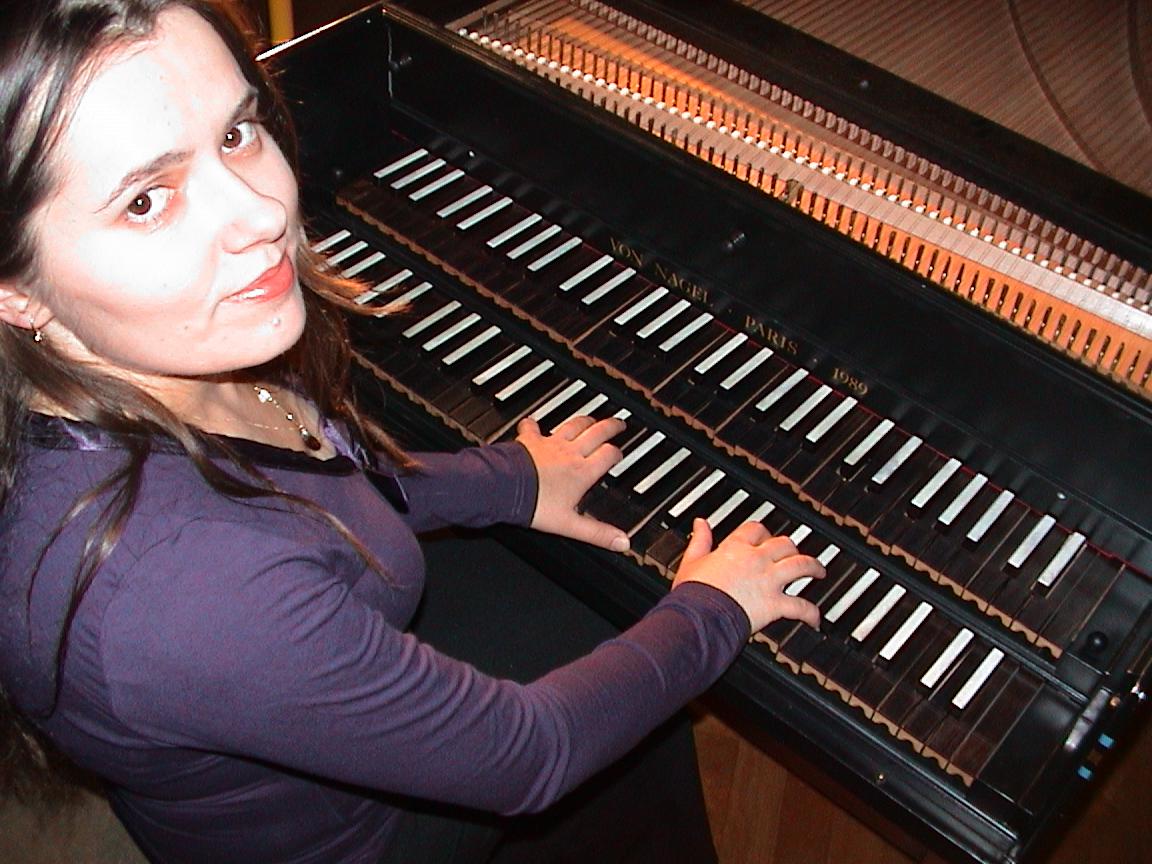
Edyta Środa at an open harpsichord
Knowing the instrument helps to shape articulation and colour consciously
01

Hear the problem

Define precisely what needs to change instead of repeatedly playing the whole work.

02

Find the right gesture

Connect ease of movement with breath, articulation and the direction of the phrase.

03

Understand the score

Read harmony, form, texture and text as interpretative indications.

04

Return responsibility

Guide the student or performer to the point where they can make their own well-founded decisions.

Craft and interpretation

Piano, harpsichord, voice and score speak different languages

Knowledge of several fields of performance is not intended to make them uniform. On the contrary, it allows their differences to be perceived more clearly and the means appropriate to the instrument, style, period and particular ensemble to be chosen.

Keyboard instrument

Piano — weight, breath and the shaping of a long phrase

In piano teaching, finger technique is not the only thing that matters. Sitting position, physical freedom, the transfer of weight, quality of attack and conscious use of the pedal all remain subordinate to listening. The student should know where the phrase is going, which voices form its construction and how to preserve continuity of thought in chordal or polyphonic textures.

Edyta’s experience as an accompanist brings to piano work a particular attentiveness to breath and flexibility of time. Even a solo work should not be a mechanical sequence of bars. The melody needs direction, the inner voices need hierarchy, and the harmony needs time proportionate to its tension and function.

Early music

Harpsichord — articulation, rhetoric and harmonic awareness

The harpsichord requires a different way of thinking from the piano. Once a note has been produced, the performer cannot shape its dynamics in the same way as a pianist. The moment of attack, duration of the note, relationship between notes, micropause, texture and precise handling of time therefore become fundamental. Articulation is not an addition to a phrase — it is one of the principal means of establishing its hierarchy.

In early repertoire, the written score is the beginning of the work, not its conclusion. An ornament should arise from the harmony, affect and its place within the sentence; dance character requires knowledge of the step, metre and appropriate weight; the realisation of basso continuo combines reading harmony with continuous response to the soloist and other musicians. Edyta can relate these matters to experience gained on different harpsichords and spinets, including instruments by Bizzi, von Nagel and Merzdorf.

Voice

Vocal technique does not exist apart from text and phrase

Exercises in breath, support, resonance or register balance make sense when they lead to a freer communication of musical content. From the outset, vocal technique is therefore connected with diction, the meaning of the word, the direction of the phrase and the character of the repertoire. A song requires different means from a popular song, and choral music different means again from a historically styled arrangement.

The choice of key and tessitura is part of interpretation, not merely a matter of comfort. A key that is too high or too low can deprive a voice of its natural quality, alter the colour of an ensemble or make the text harder to understand. The arranger and teacher must therefore hear both the capabilities of the individual and the proportions of the entire group.

Ensemble

A score becomes music only between people

Ensemble work requires horizontal and vertical listening: sustaining one’s own line while understanding its place in the harmony, texture and dramaturgy of the whole. Intonation is not only the individual “purity” of a note; it also depends on the function of the chord, vowel colour, balance between voices and the way performers respond to one another.

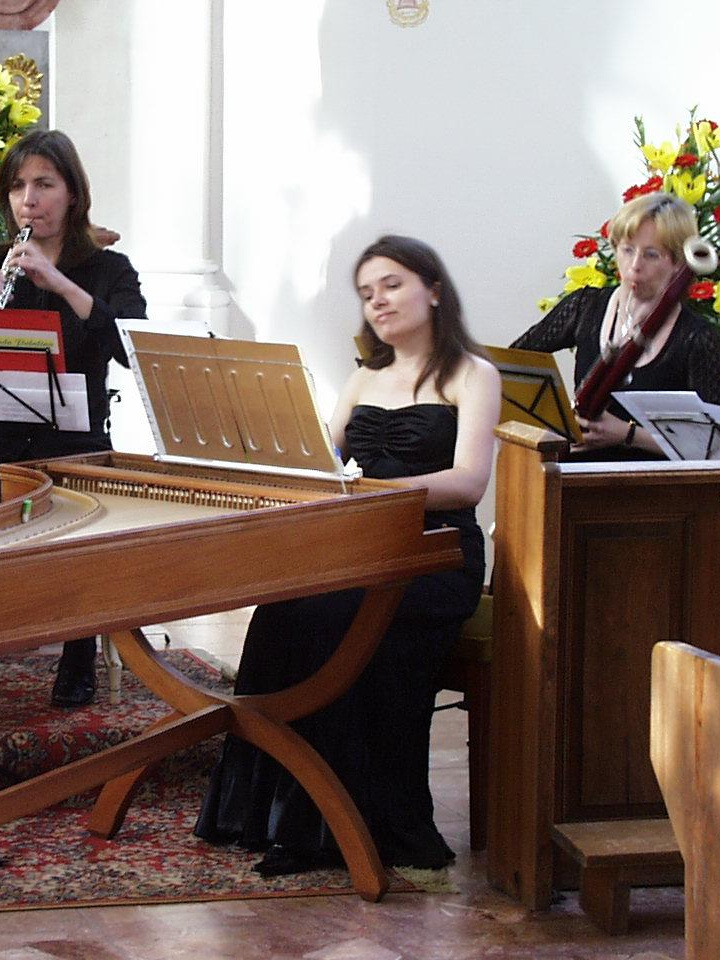
During a rehearsal, Edyta combines the perspectives of conductor, accompanist and arranger. She can alter the disposition of voices, simplify an overloaded passage, add a clearer transition or transform the accompaniment so that it supports the performers without covering them. Such a solution does not lower the standard — on the contrary, it helps preserve musical meaning with the actual performing forces and conditions available.

Experience

Music education developed alongside artistic work

The history of this work does not form a simple sequence of closed stages. Teaching, conducting, accompaniment, arranging, concerts and projects connected with historical culture often continued in parallel. This matters because each field nourished the others: material prepared for an ensemble could become the starting point for a recording, stage experience later returned to the lesson, and knowledge of dance and custom changed the understanding of musical phrase.

After completing her studies, teaching never disappeared from Edyta’s professional life. Places, age groups and repertoire changed, but individual work remained connected with the direction of larger ensembles, together with the ability to prepare the entire journey — from the first reading of the material to a performance or recording.

  1. 2001–2010

    Europäische Schule Karlsruhe and the ESKAdO choir

    Music teaching in an international, multilingual environment; conducting the children’s choir, creating accompaniments, composing and arranging settings, and preparing two album releases. The work encompassed both everyday music education and responsibility for a public artistic result.

  2. 2003–2007

    Akkordeonorchester Wörth e.V.

    Musical preparation of players in the accordion orchestra in Wörth am Rhein. Working with instrumentalists required individual correction to be combined with an understanding of the function of each part within the larger ensemble.

  3. 2012–2020

    MusicWorkshop

    Individual piano lessons — primarily for adults — as well as classes for children, vocal ensembles and projects combining music, movement, theatre and cultural history. It was a space in which traditional instrumental education met an original approach to making music accessible.

  4. Since 2017

    Wytalentowane MFM

    Singing and music tuition, vocal training, conducting, arranging, accompaniment and the preparation of participants for recordings, concerts and performances. Edyta is responsible not for a single element, but for bringing many components together into a coherent stage result.

  5. 2017–2022

    Piano classes in Suchy Las

    Additional, irregular teaching at the Centrum Kultury i Biblioteka Publiczna Gminy Suchy Las, conducted alongside projects devoted to eighteenth-century dance and culture.

  6. Since 2025

    Grupa Wokalno-Aktorska RETRO

    Choice of repertoire, arrangements, vocal technique, accompaniment, conducting rehearsals and preparing senior performers for concerts and appearances. The current direction of the work focuses primarily on singing, which offers the ensemble the fullest opportunity for shared activity.

MusicWorkshop · 2012–2020

An adult student does not begin from nothing

A substantial proportion of MusicWorkshop participants were adults learning to play the piano. This work requires a particular kind of partnership. An adult arrives with an individual culture of listening, memories of repertoire, a specific taste and often a very precise idea of what they would like to be able to do. Sometimes they return to the instrument after many years; at other times they fulfil an intention deferred since childhood.

There is no reason to treat such a person as an older version of a primary-school pupil. The foundations must, however, be organised honestly: reading notation, orientation within a texture, coordination, rhythm, harmony and practice technique. Repertoire can be ambitious if the path towards it is well planned and the intermediate material genuinely prepares the student for the particular difficulty.

MusicWorkshop also included classes for children, work with vocal ensembles and activities combining music with movement, theatre and cultural history. In this understanding, arts education is not confined to a single lesson at an instrument. It teaches presence, responsiveness to others, an understanding of context and the courage needed to present one’s own work.

This experience remains important today: it is a reminder that musical development is not assigned to a particular age. Listening, technique and interpretative awareness can be developed at different stages of life when expectations are stated clearly and the working method corresponds to the student’s actual abilities and motivation.

Ensemble and stage

Wytalentowane MFM — from rehearsal to independent performance

Edyta has co-created the project since 2017. Her responsibilities include work on voice, interpretation and repertoire, preparation of arrangements and accompaniments, and guiding the performers through the entire process leading to a recording or performance.

Here, a rehearsal combines elements of a singing lesson, ensemble work and stage preparation. Tessitura, breathing, diction, intonation and balance of sound all require attention, while the natural quality of the performance and the participants’ personalities must be preserved.

The stage is not only the final destination. It teaches responsibility, concentration, responsiveness to partners and the ability to sustain a musical thought despite emotion.

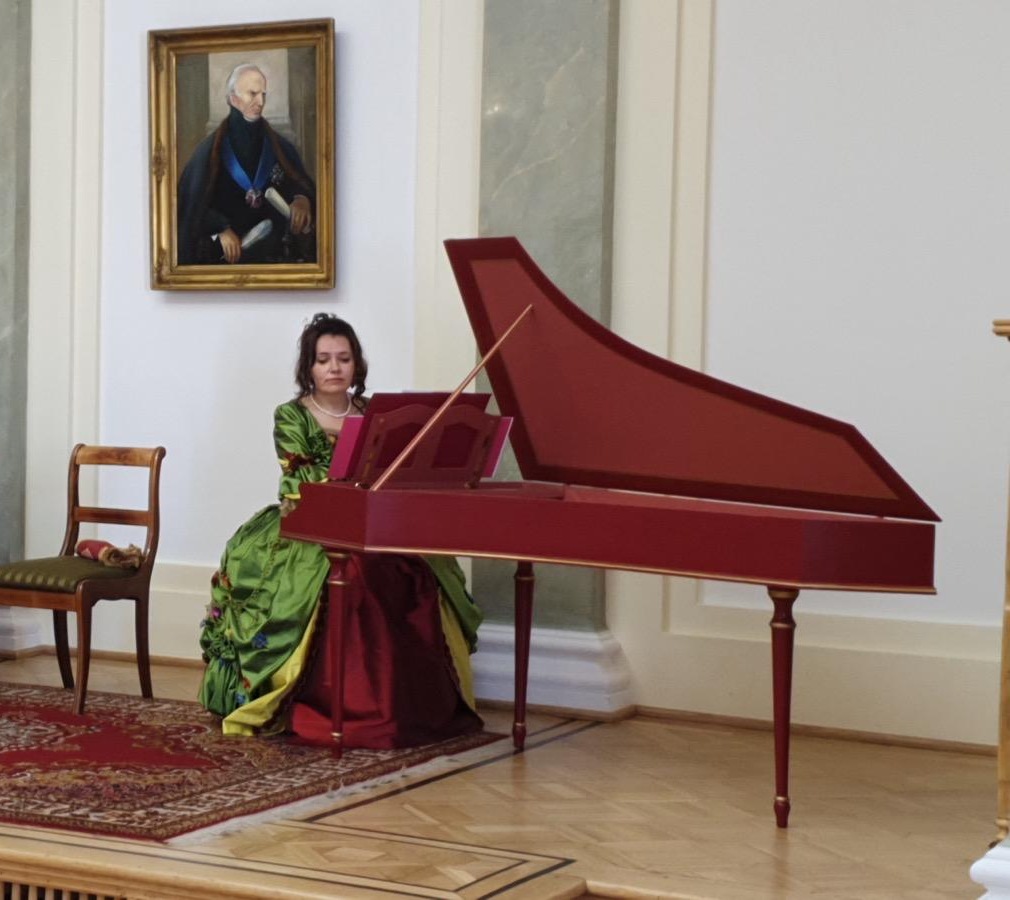
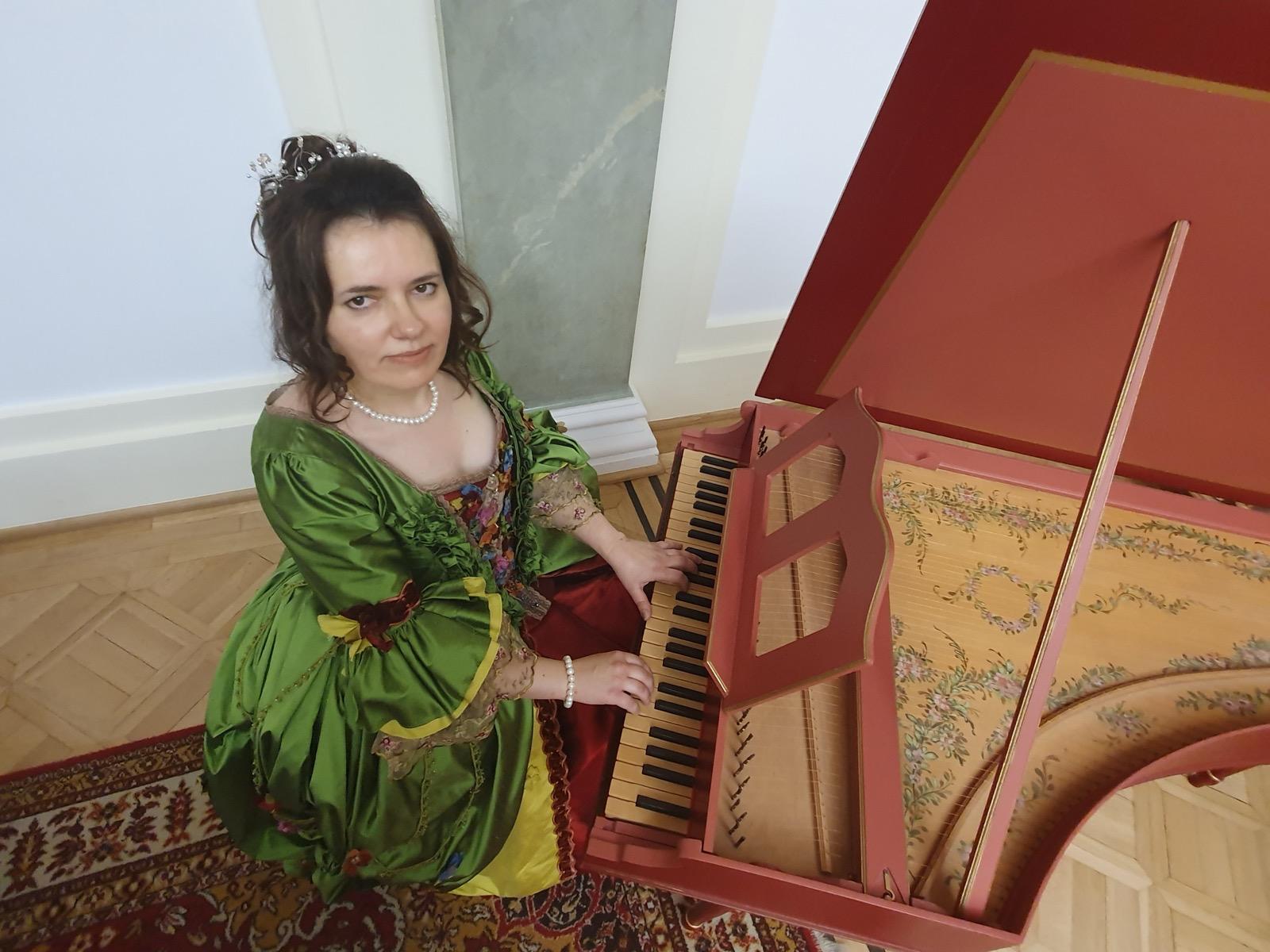
Edyta Środa playing a red harpsichord
Preparing music together combines conversation, demonstration and practice

Accompaniment and répétiteur work

Accompanying is active listening

An accompanist is not a musician standing in the background. She must simultaneously read the soloist’s intention, anticipate breath, support the rhythmic construction, guide the harmony and respond to what is happening in the moment. This requires flexibility, rapid orientation within the score and the ability to distinguish the moment when one should lead from the moment when one should yield.

Edyta worked as an accompanist and artistic assistant and was professionally associated with, among others, the Opera i Operetka w Krakowie, the Academy of Music in Kraków and the Hochschule für Musik Karlsruhe. She was also invited to work as a répétiteur during the Internationale Händel-Akademie Karlsruhe. These experiences broadened her understanding of work with the voice, string instruments and ensemble repertoire.

In teaching, this ability has practical significance. When accompanying a student or ensemble at the piano or harpsichord, it is possible to correct tempo, breath, balance and harmony immediately. Good accompaniment does not do the performer’s work for them, but creates a safe and clear space in which they can develop their own phrase.

The realisation of basso continuo brings another kind of responsibility. The performer does not merely read the figured notation, but constructs the actual texture in relation to the voices, style, acoustic and character of the passage. This experience connects harmonic knowledge especially strongly with living ensemble practice.

Historical material about Edyta Środa and the ESKAdO children’s choir

Karlsruhe · 2001–2010

ESKAdO — learning music through shared sound

Many years of work with the children’s choir encompassed repertoire, vocal technique, musical memory, accompaniment and performance preparation. Two albums — “Singen macht Spass” and “Singing All Together” — document the artistic and educational dimensions of this project.

This is an important part of Edyta’s history: music education, conducting, arranging and performance practice met here within a single activity.

In the international environment of the Europäische Schule Karlsruhe, music was also a space for understanding across languages. Singing together required attentiveness to text, rhythm and mutual listening, but it also built confidence and a sense of responsibility towards the ensemble.

Grupa RETRO · since 2025

Working with seniors — realism without artistic simplification

In Grupa Wokalno-Aktorska RETRO, Edyta is responsible for the entire musical side of the work: she chooses and prepares repertoire, creates arrangements and accompaniments, conducts rehearsals and prepares the ensemble for concerts. Most of the performers are over seventy, so the work plan must take account of vocal condition, memory, the need to reinforce material more frequently and the intelligent management of energy during a rehearsal.

This does not mean abandoning expectations. Clear diction, shared rhythm, accurate entries, intonation and logical shaping of the phrase remain as important as in any other ensemble. What changes is the path towards the result: difficult passages are divided into shorter sections, the arrangement must give the voices firm support, and the order of work should make it possible to sustain concentration.

The choice of key and form is also important. The repertoire should lie within a comfortable tessitura, avoid overloading the extreme registers and allow natural breathing. At times a verse needs to be shortened, the disposition of voices changed or an instrumental link introduced. Every such decision must nevertheless serve the music rather than turn the piece into a simplified sketch.

Singing together also fulfils a social function, but its value does not end with the meeting itself. Preparing a concert gives the ensemble a specific aim, organises the work and builds a sense of responsibility towards the other performers. Satisfaction is greatest when the audience sees not the limitations of age, but a living, consciously prepared performance.

Music told in words

The history of an instrument can become a living experience

Edyta prepares original commentaries, concert scripts and presentations in which musical performance is combined with a story about composers, instruments, dances, dress, customs and the everyday life of earlier periods. Knowledge is not separated from sound — the audience can hear the instrument, see the way it is played and understand the context in which the music was created at the same time.

Original programme

“Did people have fun 300 years ago?”

Music and dance become the starting point for an encounter with the life and culture of the eighteenth century. Dance forms can then not only be named, but also heard in the rhythm, seen in movement and connected with place, dress and custom.

Instrument presentation

Inside the harpsichord

The construction, action, history and sound of the instrument presented by an active harpsichordist. The difference between a hammer striking and a plectrum plucking a string becomes the beginning of a discussion about articulation, dynamics and a different way of shaping time.

For different audiences

Specialist, yet understandable

The same subject can take a different form for children, students, music lovers or audiences without musical training. The language of explanation may be simplified, but never the meaning of the phenomenon being presented.

Early music is particularly well suited to this way of telling a story because its sound is inseparably connected with particular instruments, spaces, dance, rhetoric and an earlier understanding of gesture. A listener does not need to know the entire historical apparatus to notice the difference between a minuet and a sarabande, or to hear how registration and articulation alter the character of a work. They do, however, need a guide who can select the most important clues and demonstrate them immediately in the music.

Edyta’s experience of eighteenth-century dance and the preparation of historical choreography and costumes broadens this perspective. The instrument is not enclosed in a display case, and the work is not an isolated artefact. Both belong to the world of people who moved, spoke, celebrated and listened differently from us — and yet left music capable of speaking to a contemporary audience.

A growing section

Further photographs, recordings and testimonies of the work will continue this story

Materials from lessons, rehearsals, concerts and educational projects will be added to the page. Earlier experiences will remain visible alongside contemporary ones — as the continuity of work carried out with different generations of performers.

Next

Explore Edyta’s conducting or return to the Artist’s story